
To overcome the inability to turn a short eight-bar musical idea into a full track, producers must shift from a micro-editing mindset to a macro-arrangement perspective. The most effective strategies include using subtractive arrangement by duplicating the loop and deleting elements, limiting software instruments to reduce decision fatigue, and separating the composition phase from the sound design phase. By establishing strict deadlines and referencing professional track structures, bedroom producers can escape the loop trap and consistently finish release-ready music.
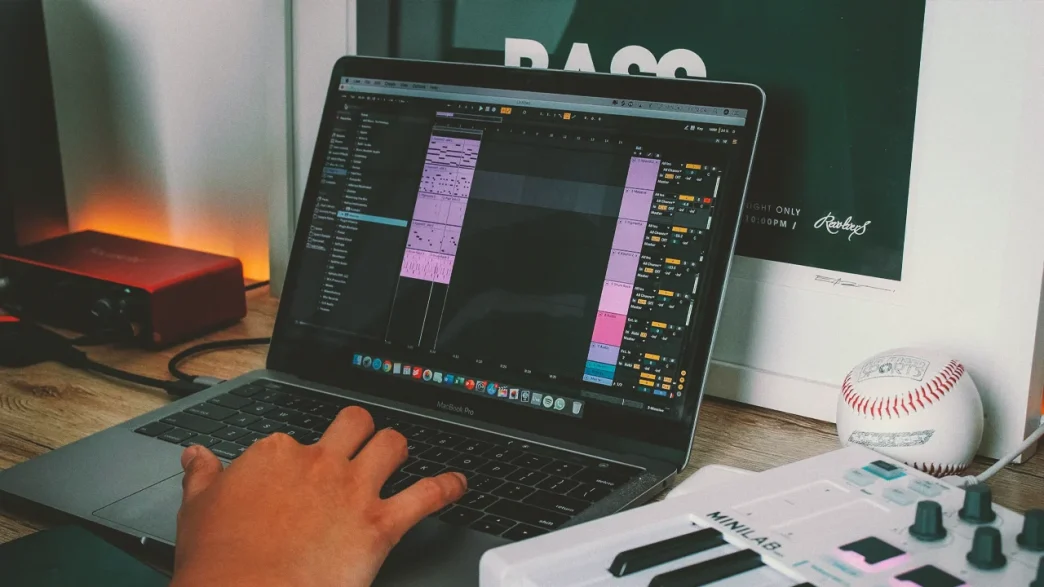
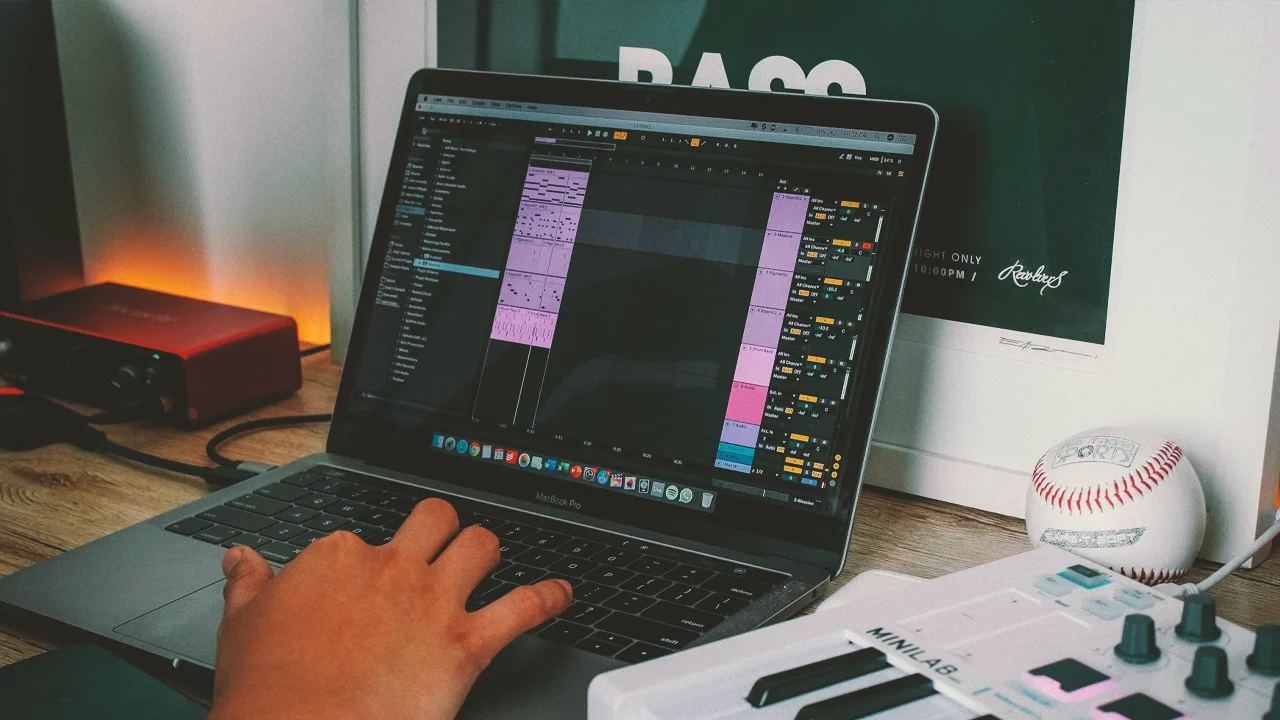
Over my past ten years working in the trenches of music production, I have seen endless hard drives filled with brilliant eight-bar ideas that go absolutely nowhere. The digital audio workstation provides infinite possibilities, but that limitless freedom often paralyzes the modern beatmaker. You stack a kick, a snare, an intricate bassline, and a synth pad. It sounds perfect. Then you stare at the blank timeline ahead and freeze entirely. The loop becomes a comfortable prison. We convince ourselves that tweaking the attack on a compressor is progress. It is not. It is procrastination disguised as engineering.
Why Do We Get Stuck In The Loop?
The root of this problem is deeply psychological. When you build a dense eight-bar section, you are usually building the climax of the song. It feels powerful and massive. Pushing past that boundary means making difficult decisions about narrative pacing and energy flow. Most producers lack a clearly defined finish line. They treat their initial sketch as a precious artifact that must not be ruined. In my decade of mixing and producing, the artists who actually release music treat their loops as disposable clay. If it does not work within an hour, they throw it away. The loop trap feeds on the fear of ruining a good idea. You must accept that a track is never flawless. It is simply finished.

Why the Warm-Up DJ is the Most Important Person in the Club
How Subtractive Arrangement Forces You Forward
The blank canvas is terrifying. Instead of trying to add elements to an empty timeline, you should work backward. Build your loop to its absolute maximum density. Make it the loudest and most chaotic drop possible. Once that master loop is perfect, duplicate it across three or four minutes of your timeline. Now you are no longer a painter looking at a blank canvas. You are a sculptor chipping away at a block of marble.
Mute the kick and bass for the first sixteen bars to form an intro. Delete the heavy synth leads for the verse. Introduce a high-pass filter to starve the listener of low frequencies right before the main drop hits. This method guarantees that every section of your track belongs together because they all share the exact same musical DNA. It completely eliminates the guesswork of figuring out what comes next.
Why You Need To Separate Composition From Sound Design
Another fatal error I witness constantly is the attempt to write a song while simultaneously designing complex synthesizer patches. You cannot act as a composer and an audio engineer at the exact same time. These are completely different brain functions. Try writing your entire progression and melody using a basic piano preset. If the chord progression and the rhythm cannot hold your attention on a raw piano, no amount of advanced mixing will save the track. A great piece of music relies on tension, release, and melody. Once the bare bones are arranged across the timeline, you can start assigning those MIDI notes to massive synthesizers and heavy bass patches.
Setting Hard Limits On Your Production Tools
Producers today suffer from plugin bloat. Having access to ten thousand presets does not make you a better artist. It makes you a distracted one. For producers struggling to focus, placing strict limits on your environment is crucial. Try limiting yourself to just three software instruments and a handful of audio effects per project. When you restrict your tools, you are forced to focus on the actual arrangement and extract every ounce of potential from what you have. Give yourself a strict deadline. Partner up with another producer and promise to send them a finished arrangement by Friday. Social pressure is a highly effective tool for breaking through creative blocks.
The Art Of Borrowing A Professional Structure
If you are still struggling with how to sequence your verses and choruses, steal a map from someone who already did the work. Import a professionally released track into your session. Drop markers every time a new section begins, noting where the kick drum enters or where the breakdown happens. Then mute the professional track and use those markers as a blueprint for your own sounds. You are not stealing their notes. You are simply borrowing their pacing.


Stop Tweaking And Start Committing
The transition from making loops to finishing tracks requires a massive shift in habit. You have to stop seeking perfection in a tiny segment and start looking at the bigger picture. Accept that some elements will sound messy during the drafting phase. Keep moving forward. The world does not need another perfectly mixed eight-bar sketch sitting on a hard drive. It needs finished music.
Sources & Further Reading
- Reddit: Breaking 8-Bar Loops – A community discussion featuring practical advice and peer-to-peer workflows for expanding short loops into full song structures.
- Abstrakt Music Lab – A resource hub focused on electronic music production, offering tutorials on sound design, mixing, and finishing tracks.
- Loopcloud – A professional sample subscription service that provides tools for finding, syncing, and manipulating loops to fit your project.
- Lost Stories Academy – An insightful look into the “Producer Psychology” behind why many creators struggle to finish the tracks they start.
- MusicRadar: Studio Mistakes – An article identifying 10 common home studio errors that hinder productivity and professional sound quality.
- Thales Matos: Loop to Song – A step-by-step guide detailing a specific arrangement framework to help producers transition from a basic loop to a complete arrangement.
* generate randomized username
- COMMENT_FIRST
- #1 Lord_Nikon [12]
- #2 Void_Reaper [10]
- #3 Cereal_Killer [10]
- #4 Dark_Pulse [9]
- #5 Void_Strike [8]
- #6 Phantom_Phreak [7]
- #7 Data_Drifter [7]
- #8 Zero_Cool [7]