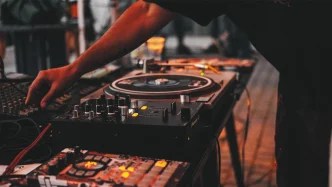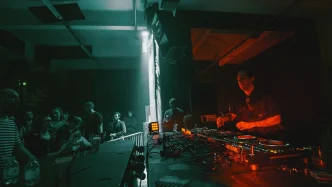
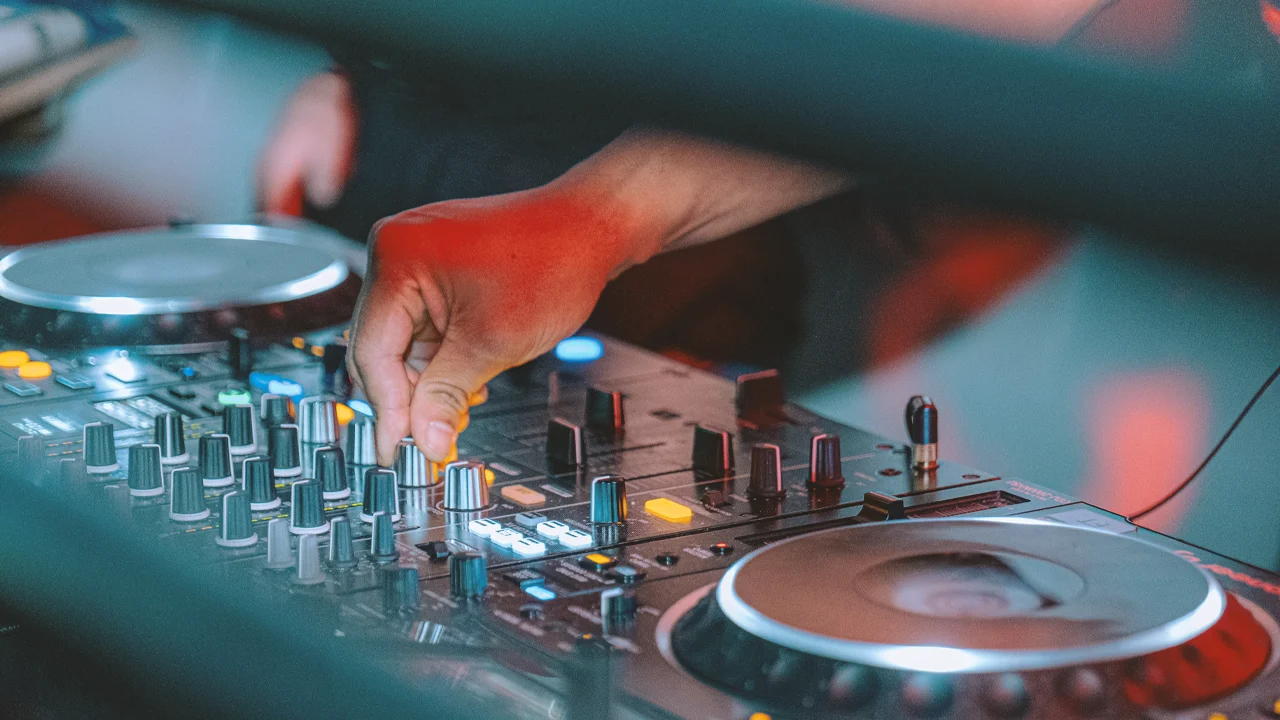

Let’s set the scene. It’s 10:30 PM. The club is cavernous, slightly cold, and smells faintly of spilled well drinks and anticipation. The dancefloor is a vast, intimidating expanse of empty space. Behind the decks stands the opening DJ, staring out at a room currently populated by two bartenders polishing glasses and a smattering of early arrivals hugging the walls.
In the hyper-commercialized, drop-obsessed ecosystem of modern electronic dance music (EDM), the warm-up DJ is criminally misunderstood. Too often perceived by the casual clubgoer as a mere placeholder or a transitional waiting room before the real night begins, this foundational role is actively sidelined. But ask any veteran selector what makes a good club night, and they will tell you the absolute truth: opening a room is the most psychologically and technically demanding gig in the building. It’s an esoteric art form that dictates the emotional trajectory of the entire night.
If a warm-up set fails, the headliner crashes. It’s that simple. Let’s dig into the delicate art of pacing your energy, the neurobiology of the groove, and why the unheralded opener is actually the most vital asset in local club culture today.
Why the Best DJs Understand the Neuroscience of the Groove
To understand how to play a warm-up DJ set properly, we have to look at the human brain. The urge to move to rhythmic music is a hardwired physiological response. Neuroscience shows that dancing activates multiple brain systems at once, including motor regions for movement and the cerebellum for rhythm and coordination. We are biologically incapable of ignoring a rhythm.
When an inexperienced, eager young DJ steps up to an empty room and immediately drops a blistering, 138-BPM face-melter, they aren’t starting a party; they’re assaulting a cold nervous system. Driving high BPMs triggers an instant adrenaline spike and forces an aggressive physical exertion that a sober, newly arrived patron simply isn’t prepared for. It creates acute cognitive dissonance.
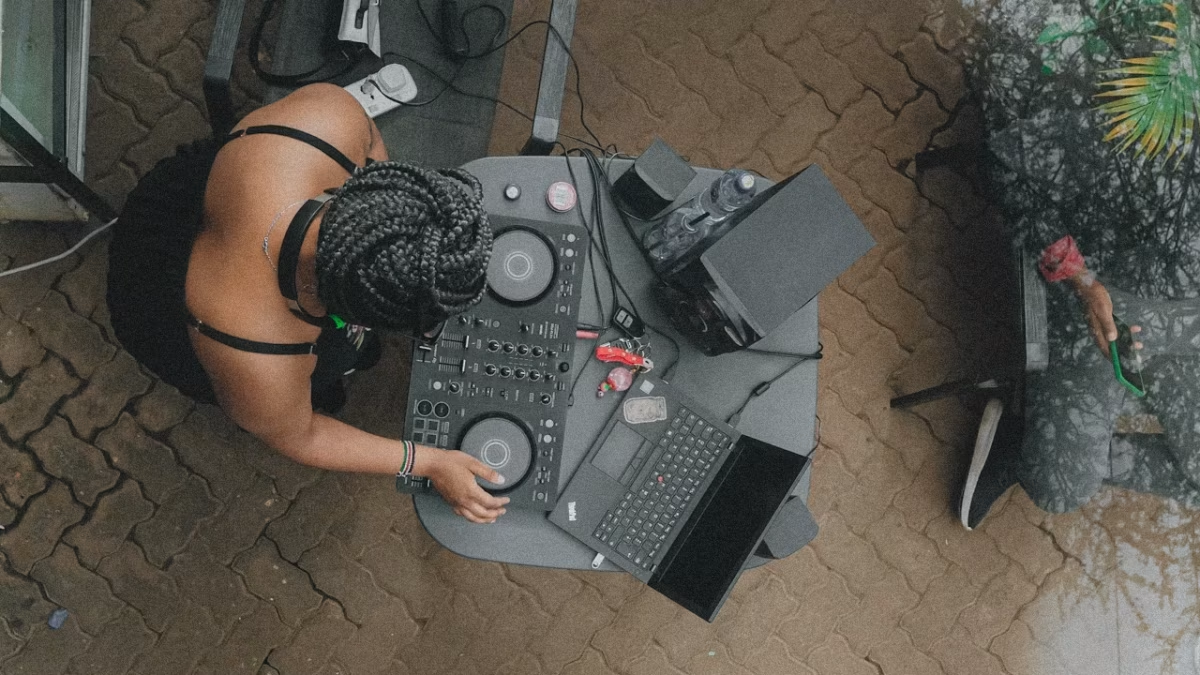
Why 31% of Emerging DJs Are Quitting Music Due to Social Media Pressure
The master warm-up DJ operates completely differently. They sit patiently in the 100 to 120 BPM pocket, heavily filtering out harsh high frequencies that bounce off empty walls and trigger cortisol, which is the body’s primary stress hormone. Instead, they focus on a warm, rolling low-end. They act as anticipation architects. In neurobiology, the dopamine high—the brain’s primary reward chemical—actually peaks during the anticipation of a reward, not during the climax. By teasing the crowd, slowly building tension, and holding back the explosive drops, the opening DJ creates a sustained dopaminergic buildup. They lay the essential, bubbling groundwork so that when the headliner finally unleashes peak-hour fury, the crowd’s collective release is euphoric rather than exhausting.
How the Opening DJ Keeps the Local Nightclub Profitable
While we love to romanticize the spiritual journey of an underground club night, the harsh reality of the nightlife industry in any major city is strictly financial. Independent venues operate on notoriously razor-thin margins. They survive not on the door cover, but on what happens at the cash registers.
Here’s where the underappreciated genius of the opening DJ really shines. A DJ who plays relentless, high-intensity anthems right out of the gate traps people on the dancefloor. If patrons are entirely consumed by a relentless barrage of high-energy tracks, they remain trapped on the floor, sweating and exerting energy without pausing to purchase drinks. Venue owners and promoters rely on the opener to execute what is known in the industry as the “Drink Line” or the “Thirst Trap”.
By expertly pacing the room—building the energy up and then deliberately dropping the tempo or sliding into a deep, vocal-led groove—the DJ provides the crowd with a psychological release. This crucial breather naturally flushes the exhausted dancers off the floor and straight toward the bar for a cocktail. Furthermore, the first two hours of the night are historically the most profitable for a venue’s bar sales, provided the DJ creates an atmosphere where early guests can actually hear each other speak and socialize. The warm-up DJ isn’t just an artist; they are the invisible hand of the local economy.
The Unwritten Rules of Playing the Perfect Warm Up Set
The electronic music community is governed by a strict, albeit unwritten, code of etiquette. If you want to know how to play the perfect warm-up DJ set and actually get booked again by local promoters, you must follow a few core principles :
- Leave your ego at the door: You are a foundational team player. Your job is to set the mood and prepare the room, not to prove your technical dominance to an empty floor.
- Never play peak-time bangers: Deploying massive anthems to a cold room of twenty people is the cardinal sin of the opener. It cannibalizes the night’s potential and robs the crowd of experiencing that track when the lasers are actually firing.
- Preserve musical headroom: Cap your tempo. You must leave the headliner enough acoustic space to build their own trajectory.
- Do not play the headliner’s productions: You are building the throne for someone else to sit on. Playing the headlining act’s signature tracks is incredibly disrespectful and ruins their planned set.
We exist in an era of hyper-stimulated, three-minute open-format mixes. But the slow-burn warm-up requires meditative restraint. A great opening set is a masterclass in delayed gratification.


Why the Very First Record Matters More Than the Headliner
A headliner gives a night its climax, but the opening DJ gives the night its soul. It takes immense musical maturity to stand before a rig capable of shaking concrete, armed with thousands of explosive tracks, and consciously choose to play the quietest, most subtle record in your crate.
The next time you arrive early to a local club event, grab a drink, find a spot near the back, and actually listen to what the warm-up DJ is doing. They are managing your heart rate. They are easing your cortisol. They are slowly winding the rubber band of the room tighter and tighter. It’s a thankless, brilliant art form—and without it, there is no party at all.
Sources & Further Reading
- [1] The Warm-Up DJ is Not a Waiting Room
- [2] The Science of DJs: How BPM Controls Crowd Energy
- [3] The Science Behind the Beat
- [4] How to Play Warm-Up DJ Sets: A Guide
- [5] The Role of the Warm-Up DJ
- [6] Keywords for Your DJ Mix
* generate randomized username
- COMMENT_FIRST
- #1 Lord_Nikon [12]
- #2 Void_Reaper [10]
- #3 Cereal_Killer [10]
- #4 Dark_Pulse [9]
- #5 Void_Strike [8]
- #6 Phantom_Phreak [7]
- #7 Data_Drifter [7]
- #8 Zero_Cool [7]