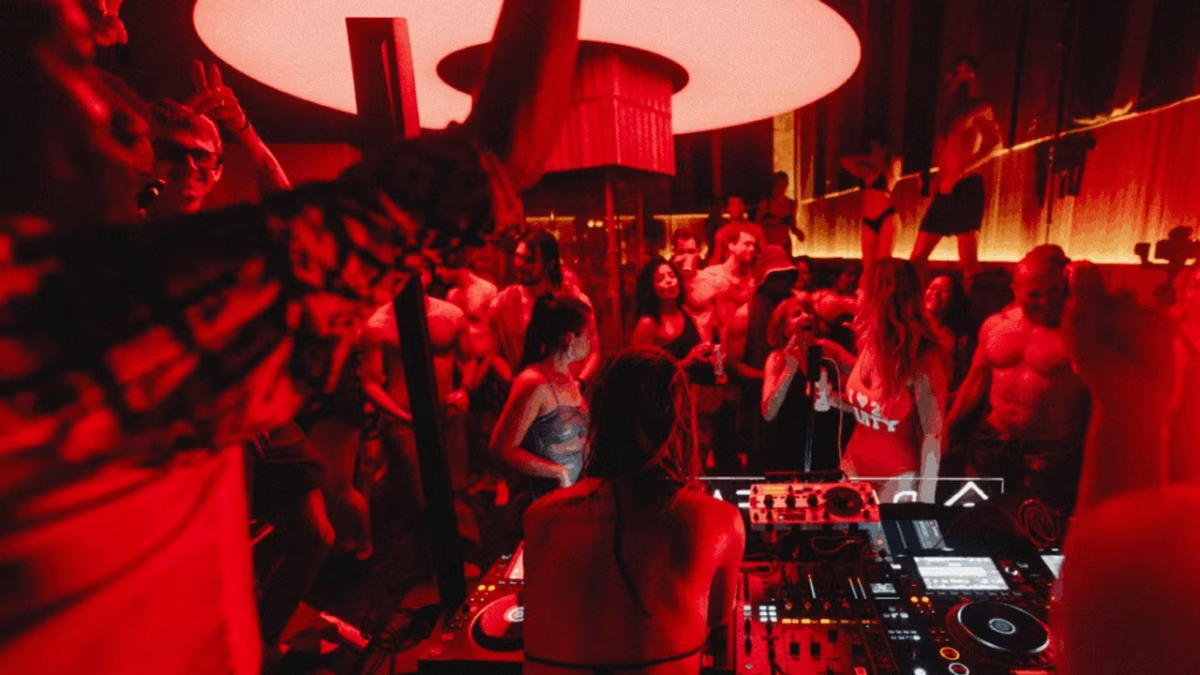

The death of nightlife didn’t happen in some dark warehouse at 4 AM. It happened in broad daylight, in coffee shops, saunas, and parking lots across the country. Gen Z killed the traditional nightclub, and honestly, nobody’s mourning it.
Eventbrite data shows a 92% surge in sober-curious gatherings throughout 2025, with attendance exploding across formats that would’ve seemed fringe five years ago. Coffee raves jumped 478% year-over-year. Houston alone saw 1,800% growth in coffee clubbing events. Thermal gatherings like sauna raves and cold plunge parties hit 1,105% attendance increases. New York recorded a 900% spike. This isn’t trend-cycling. It’s a complete infrastructure shift.
“More presence, more intention, more joy,” explains Roseli Ilano, Eventbrite’s head of community and trends. “That’s what Gen Z is choosing.” Not keg stands. Not blackouts. Not spending $150 to feel worse than when they arrived.
The New Formats
Soft clubbing is a term coined by culture observer Yusuf Ntahilaja in early 2025 and describes daytime dance events that center connection, wellness, and genuine presence. The formats are reshaping what “going out” actually means.
Coffee clubbing is the main driver. Picture a specialty coffee shop at 7 AM with a DJ booth, strobe lights, and 200 people actually awake and dancing. Attendance is up 150% globally, with Houston becoming the epicenter of a movement that treats caffeine-fueled mornings like legitimate social events. These aren’t Instagram backdrops. They’re functioning community hubs where people show up, dance, actually talk to strangers, and head to work energized.

New Study Confirms: The True Saviors of Underground Music Are Over 40
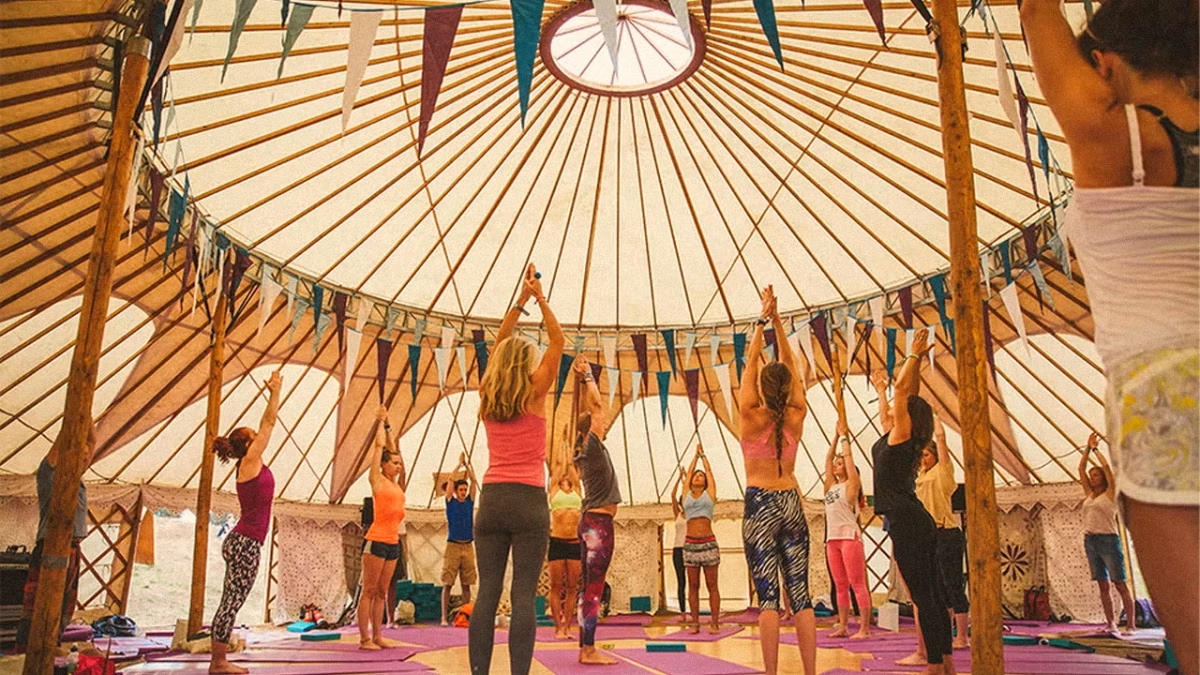
Sauna raves pair thermal biohacking with dance. You get the endorphin rush of movement, the physiological benefits of temperature exposure, and the ritual of collective ice plunges. London’s sober rave community embraced this format hard. It’s multisensory in a way traditional clubbing stopped being somewhere around 2015.
Morning dance parties operate 5-6 AM in 60+ cities through Daybreaker and similar organizers. No pre-gaming. No “getting ready” theater. Just people arriving as themselves, moving to carefully curated sets, then navigating their actual lives with clarity instead of regret.
London venues like FOLD weaponized the licensing loophole because daytime entertainment doesn’t require the same permits as late-night events. Their UNFOLD Sunday series runs daytime parties with unannounced lineups, artist-led design, and a strict no-phones policy. It’s become a cultural touchstone precisely because it refuses the standard nightclub template.
Why Now
Economics matter. A traditional night out in major cities runs $50-150+ per person once you account for cover, drinks, and getting home alive. Soft clubbing events cost £5-20. For a generation managing student debt, side hustles, and housing costs that consume 40% of income, that difference is material.
Mental health is no longer abstract. 61% of Gen Z want to drink less. But here’s what kills the “sober moral superior” framing: 70% of Gen Z still drink. They’re just choosing when and how. The point isn’t abstinence. It’s control. And soft clubbing offers that without judgment.
Gen Z came of age during a pandemic. They experienced collective burnout, rising anxiety, economic precarity. Late-night excess stopped making sense somewhere between 2020 and 2023. What started making sense: spaces where you could actually be present, actually connect with people, actually leave feeling better than when you arrived.
63% of consumers now crave multisensory experiences, and 42% actively seek alternative social spaces that prioritize mental clarity over escapism. Soft clubbing delivers both.
What Attendees Actually Say
Reddit communities, Instagram comment sections, and in-person feedback tell a consistent story: the vibe is different, not worse.
“The atmosphere during the day is fantastic,” noted one FOLD day party attendee on Reddit. “The vibe was amazing, and the music was on point.” Repeated across threads: people feel more genuinely social because they’re actually present. The dancefloor becomes connection, not escapism. 1
Economic accessibility dominates community conversations. People repeatedly mention skipping $100 rounds of expensive drinks without guilt. For many attendees, that removes a psychological barrier to going out at all.
Surprisingly little “holier than thou” energy exists. Most attendees position soft clubbing as a valid alternative, not a moral stance. Which tracks with the data. 70% of Gen Z still drinking means nobody’s preaching purity. 2


The Infrastructure Shift
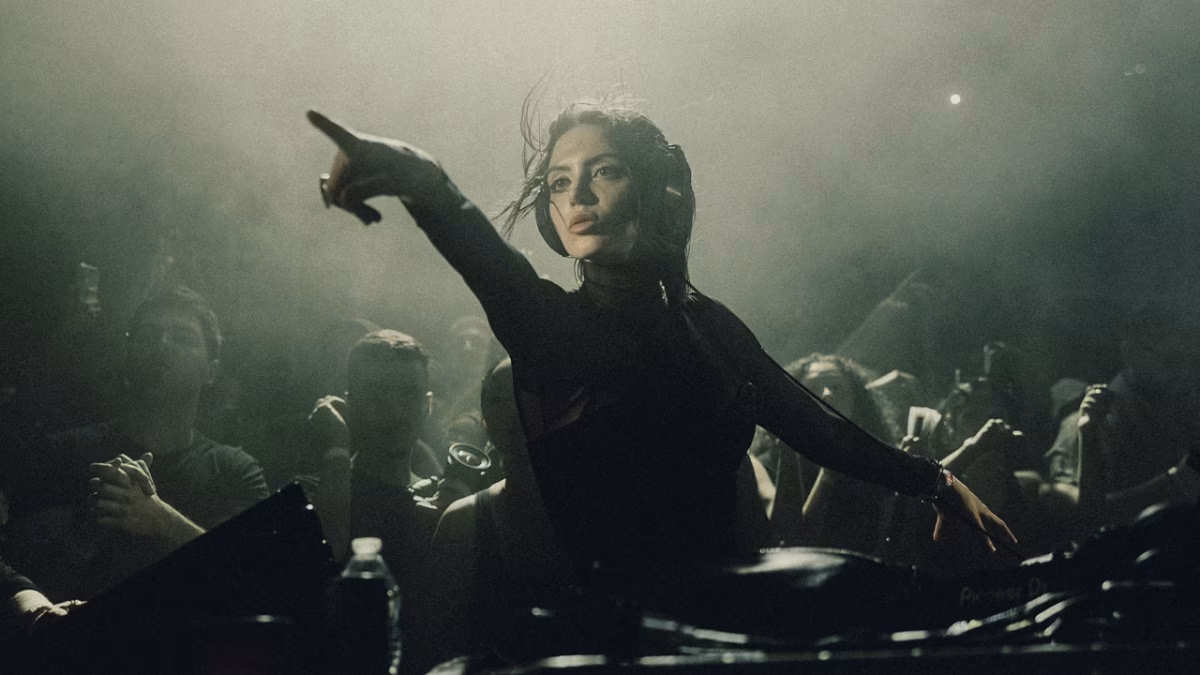
Soft clubbing atomized nightlife infrastructure. Chess clubs now host vinyl nights. Bakeries transform into dance floors. Houston coffee shops became community hubs with chef residencies and live music. Anywhere can be a club if the music and intention align. 3
“We’re seeing raves organized at airports. In Germany they do techno parties on moving trains,” one culture observer noted. The old model is dead. The new model is distributed, accessible, intentional. 4
Club Are in London markets itself as a safe space for LGBTQIA+ communities and allies. Be You Disco, Carolina Panoff’s wellness brand, positions “unhinged” self-expression through presence, not substances. These venues aren’t marginal. They’re the present and future. 5
What Doesn’t Die
Traditional nightclubbing won’t disappear. The industry will bifurcate. Late-night venues serving hard-core crowds will persist and thrive in certain demographics. But soft clubbing captures a massive growing segment of the social calendar, particularly among Gen Z.
Hotel chains are piloting sauna raves. Coffee shop franchises experiment with morning dance events. Beauty brands explore cold plunge pop-ups. This isn’t trend-cycling. It’s structural. 6
The Real Shift
Soft clubbing signals something deeper than wellness evangelism. The traditional nightclub promised escape, a break from daily life, a space where normal rules didn’t apply. Soft clubbing promises the opposite: a space where you can be fully yourself, fully present, fully connected.
That aligns with everything Gen Z actually values. Authenticity. Mental health. Intentional community. Economic accessibility. A generation that survived collective trauma wants social spaces that don’t deplete them further.
The party isn’t over. It just looks completely different now. It starts earlier. It costs less. It leaves you energized instead of destroyed. For a generation that’s experienced enough depletion, that’s revolutionary.
- https://www.reddit.com/r/TheOverload/comments/1k7kap0/fold_london_day_parties_experiences/ ↩︎
- https://insider.fitt.co/gen-z-trades-nightclubs-for-wellness-raves/ ↩︎
- https://www.houstoniamag.com/eat-and-drink/2025/09/houston-coffee-shops-community-events ↩︎
- https://yusufntahilaja.substack.com/p/2025-the-year-of-soft-clubbing ↩︎
- https://www.instagram.com/club_are/?hl=en ↩︎
- https://www.lsnglobal.com/news/article/32342/stat-soft-clubbing-signals-the-future-of-going-out ↩︎
* generate randomized username
- COMMENT_FIRST
- #1 Lord_Nikon [12]
- #2 Void_Reaper [10]
- #3 Cereal_Killer [10]
- #4 Dark_Pulse [9]
- #5 Void_Strike [8]
- #6 Phantom_Phreak [7]
- #7 Data_Drifter [7]
- #8 Zero_Cool [7]