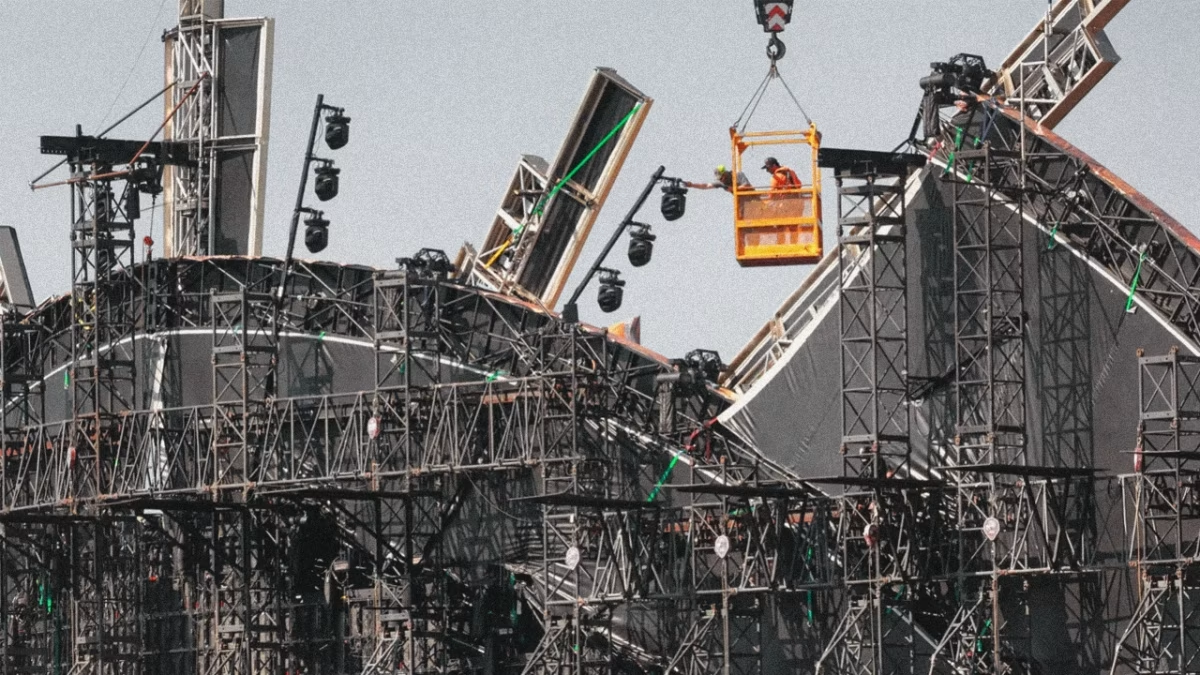
We’ve all seen the videos. A massive stage explodes with fireworks, lasers cut through the night sky, and a sea of 100,000 people move as one to a beat dropped by a world-famous DJ. This is the mega-festival like EDC or Tomorrowland, an epic spectacle that shows just how huge electronic music has become. It’s an incredible experience.
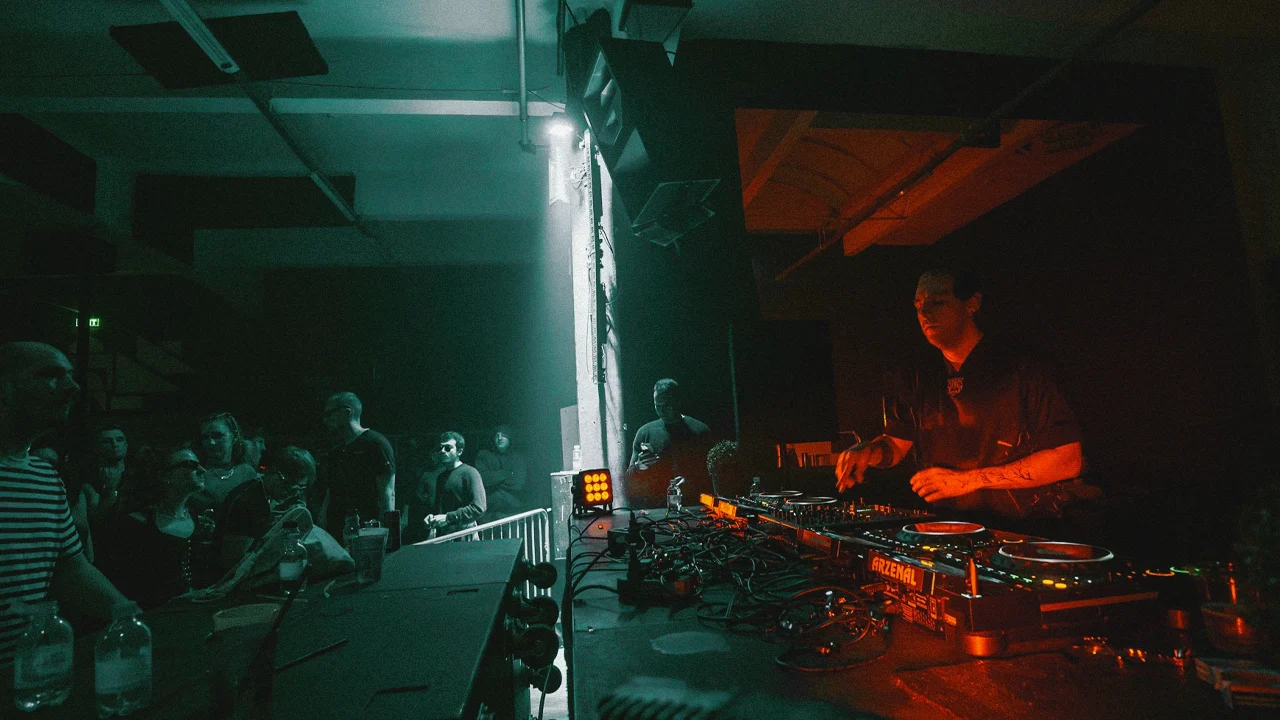
But there’s another side to the scene. Picture a small clearing in the woods or a packed warehouse, where a few hundred people are locked into a groove. The DJ is someone you’ve never heard of, but they’re playing a mind-blowing set. There are no VIP sections or massive light shows. It’s just about the music and the people.
While mega-festivals have brought electronic music to the masses, many fans are looking for something more. They’re tired of the commercialism and searching for the authentic community that started it all. This isn’t about being against the mainstream. It’s about recognizing that smaller, intimate festivals offer a connection that mega-festivals simply can’t. 1
The Problem with Going Big
Let’s be real, mega-festivals are popular for a reason. They are massive economic engines for their host cities and give artists a global stage. For fans, it’s a chance to escape reality and be part of something huge.
Read also: New Study Confirms: The True Saviors of Underground Music Are Over 40
But that massive scale has a downside. To make a profit, these events need huge ticket sales and corporate sponsors, which can water down the experience. The focus shifts from the music to creating an “Instagrammable” vibe. This attracts a different kind of crowd. Many long-time fans complain that big festivals have been “infiltrated by people who are not there for the right reasons”. They want to avoid the “fratty wild college crowd” or the “TikTok crowds” who seem to be there just for the pictures.
Logistics can also be a nightmare. You can face 50-minute walks from your tent to the stage, lose your friends in a sea of people with no cell service, and navigate dangerously packed crowds.
Why Small is the New Big
As a response, a movement toward smaller, “boutique” festivals is growing. These events are proving that when it comes to vibe, size isn’t everything.
A Real Community Vibe
The number one reason people prefer smaller festivals is the sense of community. When you’re at an event with a few hundred or a couple thousand people, you start seeing the same faces. As one fan on Reddit put it, “Attendees know they are going to bump into the same people again. There’s more of a sense of community. People are kinder and more open”. This creates a friendly, “family” atmosphere where people are more respectful and look out for each other. You can’t lose your friends, and everything is just a short walk away. 2
Music Discovery and Artist Freedom
Smaller festivals are often passion projects run by true music lovers. Their lineups are carefully curated, focusing on artistic talent rather than just booking the most popular names to sell tickets. This makes them the perfect place to discover your next favorite artist playing “really nice underground stuff” you wouldn’t hear on a mainstage.
DJs love it too. Instead of a short, 50-minute set, they often get to play for hours, allowing them to experiment and take the crowd on a real journey. Plus, the barrier between the artist and audience disappears. It’s common to see DJs and organizers hanging out in the crowd, grabbing a drink, and enjoying the music just like everyone else. It feels less like a concert and more like a party with your friends. 3
It’s Better for Your Wallet
Let’s not forget the cost. A ticket for a mega-festival can run you $400 or more, and that’s before you even think about travel, hotels, and expensive food on site. Smaller, local festivals are much more affordable, meaning you can go to more shows and support independent artists and promoters directly.
Read also: What Is ‘Rave’? From Underground Movement to Mainstream Success
How to Find Your Vibe
So, how do you find these amazing smaller festivals? The community has some great advice.
- Start Local: Check out smaller, local shows in your city. It’s the best way to meet people who are in the know about underground events. 4
- Follow Promoters: Find promoters who specialize in the genres you love and follow them on social media.
- Use Online Guides: Websites like Resident Advisor are essential for finding house and techno events, while others like 19hz.com are great for the West Coast scene.
Ultimately, the choice is yours. Mega-festivals offer an unforgettable spectacle. But if you’re looking for genuine connection, musical discovery, and a true sense of community, the heart of electronic music is beating strongest at intimate gatherings.
- https://www.ticketfairy.com/blog/2025/03/17/the-evolution-of-edm-festivals-how-audience-expectations-are-changing-over-time/ ↩︎
- https://www.reddit.com/r/festivals/comments/4sbb62/small_festivals_vs_big_festivals/ ↩︎
- https://www.decodedmagazine.com/beyond-the-mega-festival-why-intimate-gatherings-are-electronic-musics-true-heart/ ↩︎
- https://www.reddit.com/r/aves/comments/1buf28z/where_can_i_find_smaller_and_more_intimate/ ↩︎
* generate randomized username
- COMMENT_FIRST
- #1 Lord_Nikon [12]
- #2 Void_Reaper [10]
- #3 Cereal_Killer [10]
- #4 Dark_Pulse [9]
- #5 Void_Strike [8]
- #6 Phantom_Phreak [7]
- #7 Data_Drifter [7]
- #8 Zero_Cool [7]