

For many aspiring electronic producers, moving to a major cultural capital is often seen as the ultimate goal. The common belief suggests that proximity to established labels, super clubs, and elite networking circles is essential to legitimize art. However, a closer look at the modern electronic music ecosystem reveals a different dynamic. The traditional industry hub might not be the only incubator for talent. In many cases, staying in a secondary market can help preserve a localized subcultural identity, whereas moving to a major center can sometimes encourage an overwhelmingly uniform aesthetic.
As an occupational therapist by day and a music producer and DJ by night, I navigate this reality daily. Operating from Cebu, far removed from the capital of Manila, I can say firsthand that nothing is different as long as there is reliable internet and the right circle to be part of.
What actually happens to your art when you move to a major hub?
When artists relocate to major industry capitals, they often face a high cost of living. This economic pressure fundamentally alters the artistic process. Instead of engaging in “deep work”, a psychological state of distraction-free concentration required to push cognitive capabilities to their limit, producers are often pushed into a relentless hustle culture. The need to afford high rent demands immediate commercial returns. It becomes difficult to experiment with jagged, off-kilter rhythms when securing a paid gig by Friday is the top priority.
Furthermore, these centralized spaces can foster a sociological phenomenon known as mimetic isomorphism. In highly uncertain environments like the music business, individuals subconsciously mimic the behaviors and aesthetics of those they perceive as successful. Producers surrounded by peers in the same overcrowded neighborhoods might end up using the exact same software presets and mimicking the exact same dominant trends. The result is often technically proficient music that might lack a highly original core.
Shameless plug! I’d really appreciate it if you guys could check out my music on SoundCloud. Please give me a follow if you like what you’re hearing! I’m also open for collabs and commission work.
How does the algorithm enforce this aesthetic homogenization?
The spatial clustering of producers is amplified by the digital framework of modern streaming and social media. When you ask how algorithms impact musical output, the answer lies in the filter bubble. Digital platforms are designed to maximize user retention by feeding listeners minor variations of what they already consume. This generates an echo chamber that rewards predictable, formulaic hooks over challenging arrangements.
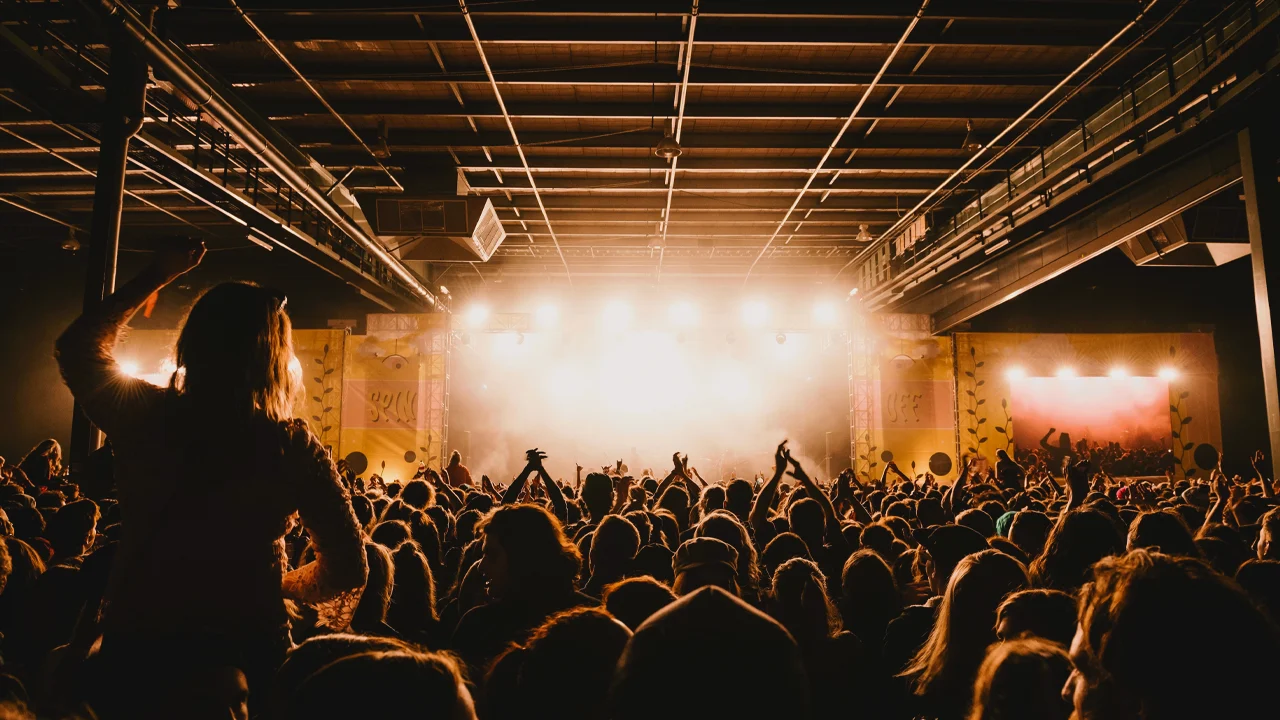
The Electronic Dance Music Industry is Fractured, But These 3 Rules Keep It Alive
Operating inside a major hub means producing under the heavy weight of the “industry gaze”. Major labels and booking agents constantly survey these cultural centers, seeking to package underground movements for mass consumption. Under this intense surveillance, emotions are sometimes muted and rough edges are smoothed out to fit normative commercial codes. Artists living on the geographic periphery operate entirely off the grid. They bypass this gaze by utilizing localized networks and pirated software to forge an aesthetic of imperfection. Their geographic distance protects them from the totalizing pressure of algorithmic optimization.
What is the hipster paradox in modern dance music?
A highly visible symptom of this geographic homogenization is the phenomenon frequently described as “business techno”. This term details a highly commercialized variant of dance music that often dominates major industry capitals. It illustrates the hipster paradox, a behavioral dilemma where cultural producers must project an aura of anti-establishment authenticity while simultaneously executing highly calculated corporate career strategies.
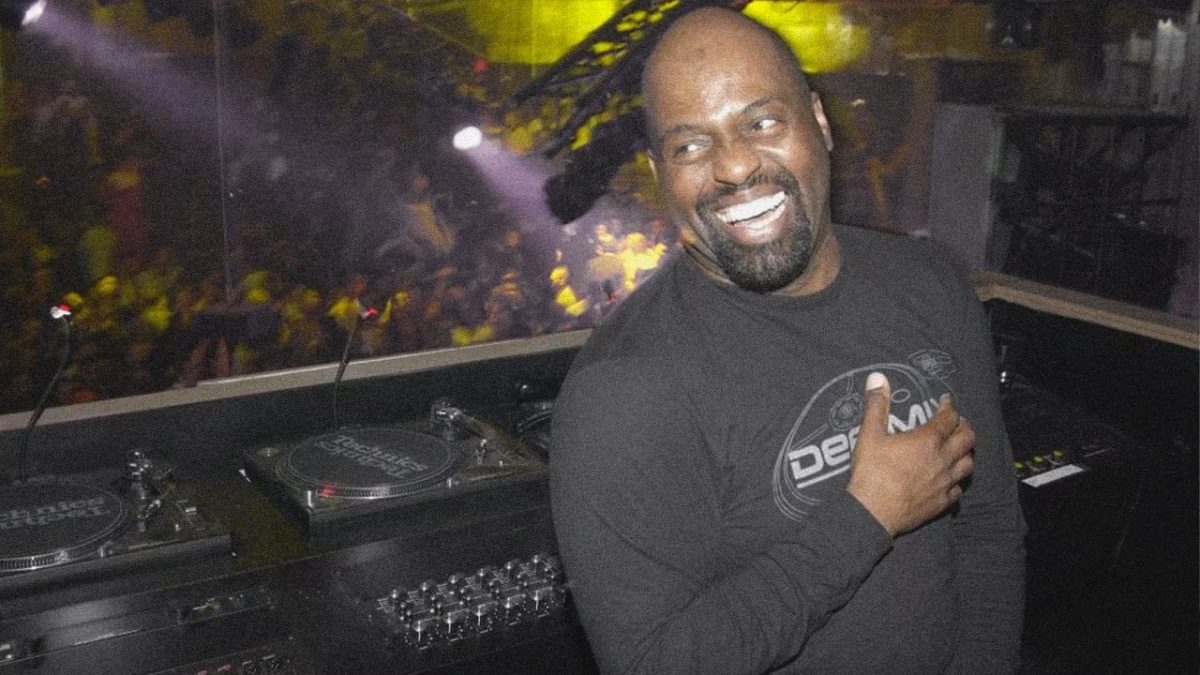
DJs in these major hubs rely heavily on branding tactics to appear legitimate, yet they often function as polished corporate entities. The music itself becomes purely functional. It is designed exclusively to operate within the acoustic parameters of massive commercial festival stages. The danger, idiosyncrasy, and political resistance that initially define underground movements are frequently stripped away. It all sounds flawless, and it often sounds completely identical.


Why do isolated scenes consistently breed unique electronic music?
If major hubs act as homogenization engines, geographic isolation serves as a primary catalyst for true innovation. How exactly does isolation foster a more original artistic identity? At the cognitive level, psychological studies suggest that originality is often achieved through enhanced perseverance driven by isolated emotional states. Without the immediate dopamine loops of an urban club scene and the constant social comparison of peers, an artist is forced to confront their own creative limitations.
Historically, the most disruptive electronic subgenres always originate in marginalized or secondary markets. From slowed down, bass heavy atmospheric beats in rainy coastal towns to blistering, polyrhythmic drum tracks in isolated peripheral suburbs , true innovation requires a localized incubator. Communities far removed from the industry gaze have to entertain themselves. They synthesize their unique sociopolitical realities and local rhythms into something entirely new. By the time the mainstream industry finally pays attention, the aesthetic identity is already fully formed and highly distinct.
How can artists build their identity through geographic distance?
The overwhelming empirical evidence suggests that the traditional advice given to emerging electronic artists is highly debatable. In an era where streaming platforms are saturated with generic audio, the true value in the music business is rapidly shifting toward absolute idiosyncrasy. A&R executives are increasingly realizing that boundary-pushing hits do not solely gestate in the gleaming studios of major cultural capitals. They are incubating in the blind spots of the global periphery.
This realization is triggering a massive creative shift. Producers are actively fleeing established industry capitals to reclaim their artistic identities. By relocating to secondary markets or rural environments, musicians can lower their overhead, escape the competitive noise, and experience the joy of unpressured experimentation. Staying outside a major industry hub is not a retreat. It is a highly effective strategy for artistic preservation.
Sources & Further Reading
Cultural Evolution & Algorithmic Influence
- Imitation vs. Innovation: How commercial pressures favor safe imitation over creative risk.
- Algorithmic Homogenization: Research on how social media filters standardize global music tastes.
- Digital Platforms & Culture: Analysis of how streaming interfaces dictate listener discovery.
- Sonic Echo Chambers: The impact of isolated online communities on sound diversity.
- Structural Evolution: Mathematical modeling of cultural trends and sonic pattern analysis.
Geographic Identity & Emerging Scenes
- The Power of Isolation: How physical distance historically birthed unique, un-homogenized genres.
- Lisbon’s Batida Sound: The 15-year legacy of Príncipe Records and the Afro-Portuguese diaspora.
- Durban’s Gqom Scene: The rise of South Africa’s minimalist, hypnotic house subgenre.
- Moroccan Grunge Rap: Hybridity and local identity in modern North African hip-hop.
- Trip Hop Origins: Documenting the Bristol scene’s evolution through geographic context.
Industry & Academic Analysis
- Market Trends (Q1 2020): Music Business UK’s deep dive into emerging talent pipelines.
- Musical Ethos & Identity: Academic dissertation on the social frameworks defining music scenes.
* generate randomized username
- COMMENT_FIRST
- #1 Lord_Nikon [12]
- #2 Void_Reaper [10]
- #3 Cereal_Killer [10]
- #4 Dark_Pulse [9]
- #5 Void_Strike [8]
- #6 Phantom_Phreak [7]
- #7 Data_Drifter [7]
- #8 Zero_Cool [7]