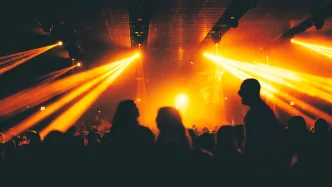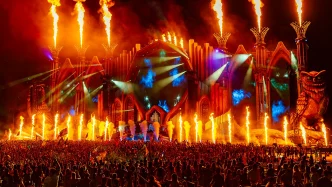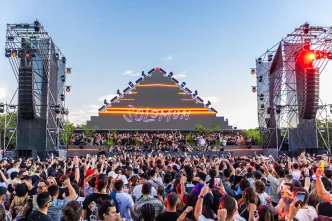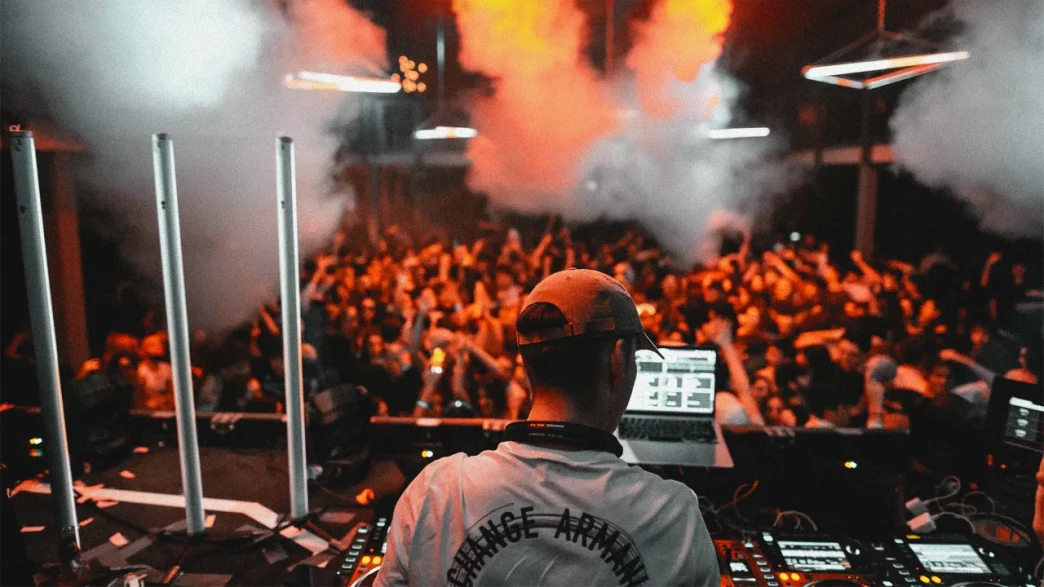
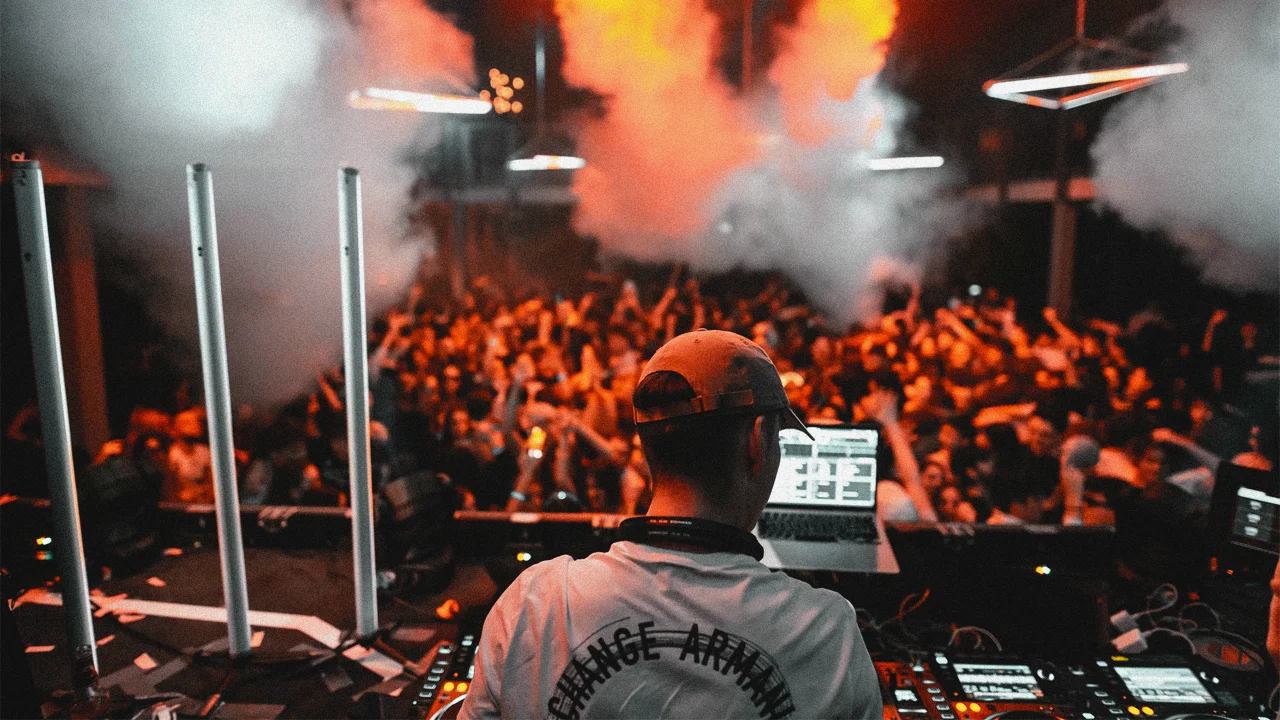

The lights go down, the bass kicks in, and fifty thousand people scream. For a DJ, this moment is the peak of human experience. But what happens when the music stops?
For years, the story of the “Superstar DJ” was one of private jets, champagne, and endless parties. But a new wave of research and brave admissions from top artists is revealing a darker truth. The electronic music industry is facing a mental health crisis, driven by a “grind culture” that pushes human biology to its breaking point.
Here is what the science says about the cost of the drop, and how the industry is finally trying to save its stars.
The Numbers: It’s Not Just “The Blues”
For a long time, people dismissed musician struggles as just “part of the lifestyle.” Now, we have hard data to prove otherwise.
A landmark study titled “Performers of the Night” (2023) by Kegelaers et al. finally put a number on the problem. The researchers found that 30% of electronic music artists suffer from symptoms of depression and anxiety.
To put that in perspective:
- In the general population, that number is usually around 10-12%.
- This means DJs are nearly three times more likely to struggle with their mental health than the average person.
- While classical musicians actually have higher rates (over 50%) due to the pressure of perfectionism, electronic artists face a unique set of “lifestyle” stressors: sleep loss, isolation, and unstable income.
The study also found that only about 31% of artists are “flourishing.” The rest are either just surviving or actively “languishing” in distress.
“Grind Culture”: The James Hype Effect
In the modern music business, you can’t just be a musician; you have to be a content machine. This is what experts call “Grind Culture”—the belief that if you aren’t working 24/7, you’re failing.
Few artists show this reality better than James Hype. His vlog series, “Moving Differently,“ documents the brutal reality behind his viral Instagram videos. A typical summer weekend for a top-tier DJ might look like this:
- Friday: Play a club in Ibiza.
- Saturday: Fly to New York for a festival.
- Sunday: Fly to Las Vegas or Los Angeles for a pool party.
- Monday: Fly back to Ibiza for a residency.
James Hype has filmed himself performing on “1 hour of sleep” across three sold-out shows. While fans admire the hustle, this schedule creates “Social Jetlag”—a state where your body clock is permanently out of sync with the real world. This chronic sleep deprivation is a direct cause of anxiety and cognitive failure.

Inside Fatboy Slim’s Funded DJ Workshops: A New Approach to Severe Mental Illness
The Avicii Warning: “It Will Kill Me”
The most tragic example of this pressure is Tim Bergling, known to the world as Avicii. His suicide in 2018 was a wake-up call that changed the conversation forever.
Avicii didn’t hide his pain. In his documentary True Stories, he is seen telling his management, “I have said like a million times that I am dead… this is going to kill me”. He was performing up to 300 shows a year, dealing with severe physical pain from pancreatitis, and using alcohol to cope with the anxiety of performing.
In 2016, Tim tried to save himself. He wrote a retirement letter to his fans, saying:
“I have too little left for the life of a real person behind the artist.”
He stopped touring, but the damage was already done. His story proved that fame and money don’t protect you from mental illness—in fact, they can make it harder to get help because everyone relies on you to keep the “machine” running.
The “No Play, No Pay” Trap
Why don’t artists just say no? The answer is usually money.
The music industry is a “Gig Economy.” Unlike a corporate job with sick days and insurance, if a DJ doesn’t play, they don’t get paid.
- 55% of musicians earn below the average annual salary.
- 74% of live event workers say their work has negatively impacted their mental health.
This creates a “scarcity mindset.” Artists feel they have to say yes to that insane flight from Ibiza to LA because they are terrified the offers will stop coming if they refuse. It forces them to choose between their health and their rent.
Finding Balance: The Hardwell Method
Thankfully, the culture is shifting. After Avicii’s passing, other stars began to draw boundaries.
Hardwell, one of the world’s biggest DJs, shocked the world by quitting touring indefinitely in 2018. He realized that “Hardwell” was eating “Robbert” (his real name) alive. When he returned in 2022, he did it on his own terms: fewer shows, more sleep, and music that he wanted to make.
His advice to the next generation is simple but radical: “Stepping away isn’t quitting, it’s healing… mental fitness is not the opposite of ambition, but its greatest amplifier”.
The “Zero Suicide” Plan
Awareness is good, but we need systems to save lives. Researchers are now adapting a hospital strategy called the Zero Suicide Framework specifically for the music industry.
Proposed by researchers Musgrave and Lamis (2025), this plan involves seven simple steps for record labels and tour managers:
- Lead: Industry bosses must publicly state that artist safety is more important than profit.
- Train: Tour managers and sound engineers should be trained as “Gatekeepers” to spot warning signs (like withdrawal or drug changes).
- Identify: Regularly screen artists for depression, especially after long tours.
- Engage: Create a “Safety Plan” for every artist. If they feel suicidal in a hotel room in Tokyo, who do they call?
- Treat: Provide therapy that understands the weird life of a musician (e.g., late hours, public scrutiny).
- Transition: Ensure care follows the artist. If they fly to a new continent, their therapist support should connect digitally.
- Improve: Collect data to see what is working and fix what isn’t.
Neurodiversity and Community
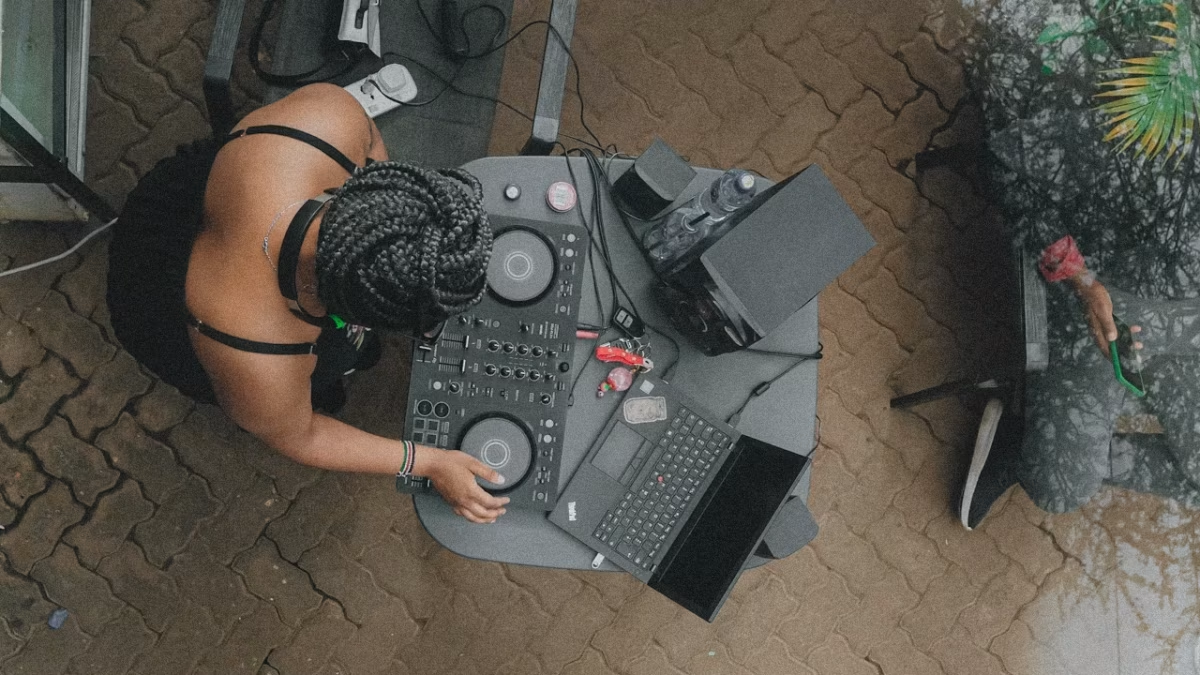
Finally, there is a growing recognition that many people in electronic music are neurodivergent (ADHD, Autism, Dyslexia). The Association for Electronic Music (AFEM) found that these conditions are common in the industry.
While conditions like ADHD can fuel creativity and hyper-focus in the studio, they can make the logistics of touring (schedules, airports, sensory overload) incredibly draining. New guides and support groups, like Tonic Rider, are helping artists understand their own brains, proving that you don’t have to be “normal” to be successful—you just need the right support.
The Bottom Line
The party is only fun if the DJ is okay. As fans, understanding that “grind culture” is dangerous—not cool—is the first step. The music stops when the artist stops, so protecting the human behind the booth is the only way to keep the beat going.
Sources & Further Reading:
- Kegelaers et al. (2022): Performers of the Night: Examining the Mental Health of Electronic Music Artists
- Musgrave & Lamis (2025):(https://pmc.ncbi.nlm.nih.gov/articles/PMC11925879/)
- Musgrave et al. (2025):(https://pmc.ncbi.nlm.nih.gov/articles/PMC12042730/)
- James Hype Vlogs:(https://www.youtube.com/watch?v=LLq6PzHHW8w)
- Avicii’s Retirement:(https://weownthenitenyc.com/avicii-retirement/)
- Hardwell Interview:(https://www.psychologytoday.com/us/blog/sports-and-performance-psychiatry/202511/world-renowned-dj-hardwell-on-mental-performance)
- Skiddle Report: Mental Health in the Live Event Industry
- AFEM:(https://associationforelectronicmusic.org/2023/04/06/afem-2022-neurodiversity-survey-report/)
* generate randomized username
- COMMENT_FIRST
- #1 Lord_Nikon [12]
- #2 Void_Reaper [10]
- #3 Cereal_Killer [10]
- #4 Dark_Pulse [9]
- #5 Void_Strike [8]
- #6 Phantom_Phreak [7]
- #7 Data_Drifter [7]
- #8 Zero_Cool [7]