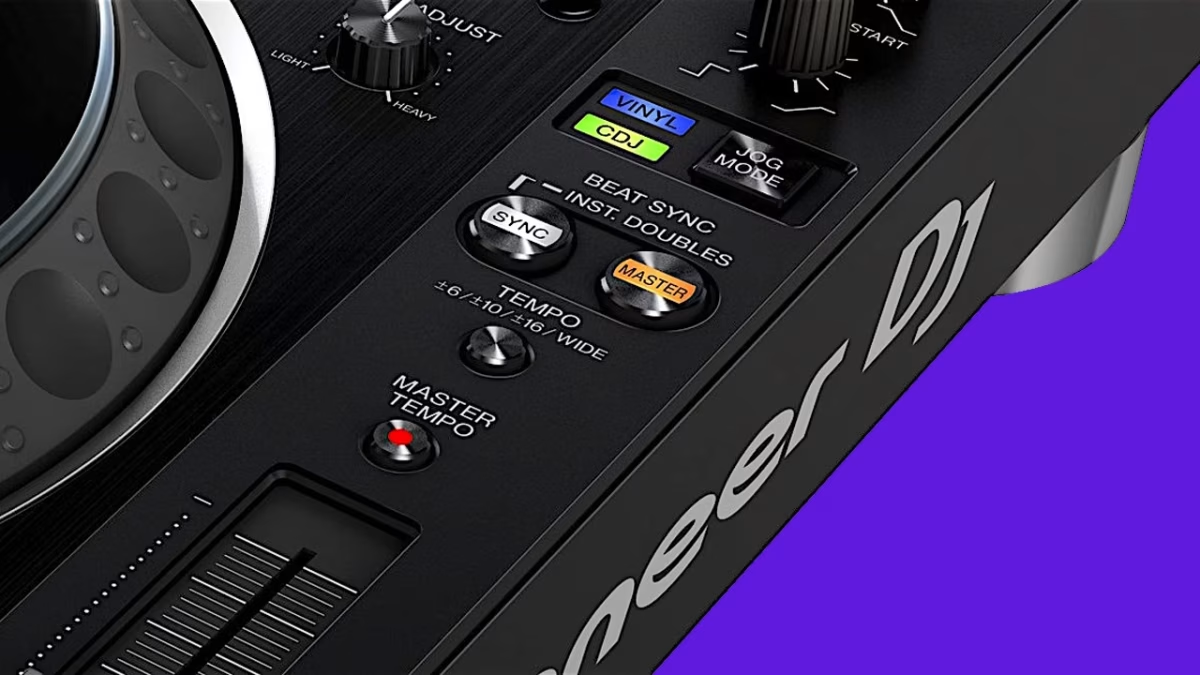
The scene is familiar: a packed venue, a world-class DJ on the decks, and a sea of glowing rectangles held aloft, each capturing a slightly different, shaky angle of the same moment. For many, this is simply what a night out looks like in the 21st century. But a growing counter-movement is asking attendees to do something radical: put the phone away.
From exclusive album previews like Puscifer‘s phone-free event in Los Angeles to underground clubs like the newly opened Tomodachi in Ibiza, which enforces a strict “no photos allowed on the dancefloor” policy, venues and artists are experimenting with a new rulebook. This trend has ignited a debate across the nightlife scene, pitting the desire for an immersive, in-the-moment experience against the modern impulse to capture, document, and share.
The Case for Going Phone-Free
Proponents of phone-free policies, from artists to club owners, argue that the benefits are transformative for the atmosphere of an event.
For Artists and DJs, the primary motivation is often to restore the connection with the audience. Rock musician Jack White, a vocal advocate for the policy, has explained that he performs without a setlist and relies on the crowd’s energy to guide the show—something he can’t do when facing a “sea of glowing phones” instead of faces. This sentiment is echoed across the electronic music world. DJ James Hype, who has implemented phone bans at his Ibiza residency, says it allows him to see people’s reactions and engage with the crowd, rather than watching them film a drop for a video they may never see again. 1
The movement is particularly strong in nightlife capitals like Ibiza. Powerhouse duo Tale Of Us asked attendees at their ‘Afterlife’ residency to refrain from filming, even pausing the music to enforce the rule after a fan poll showed 77% support for a ban. Similarly, DJs like Solomun, Damian Lazarus, and Michael Bibi have all implemented no-phone policies at their respective residencies at iconic clubs like Pacha, Hï Ibiza, and DC-10. The legendary Carl Cox has also highlighted the importance of direct artist-audience interaction, which phones can disrupt, while artists like Peggy Gou and MEDUZA have also commented on the practice. San Francisco-based DJ and producer Lane 8 has built his entire ‘This Never Happened’ event series around the concept, often using tape to cover cameras to ensure fans are immersed in the music. 2
For Venues, a no-phone rule can be a core part of their identity. Berlin’s legendary Berghain has long been famous for its strict no-photography policy, which helps protect the privacy of its patrons and adds to the club’s mystique. Newer venues like Tomodachi in Ibiza are being built around a similar philosophy, aiming to create an “intimate space focused on presenting underground music as an art form” and a return to the roots of club culture, free from “content-driven” distractions.
For many attendees, the experience is liberating. Guests at phone-free shows often report a more immersive atmosphere, with clearer sightlines and a more energetic crowd that is dancing and socializing instead of filming. Some studies suggest that not focusing on recording an event can even lead to stronger, more vivid memories of the experience. 3
The Arguments Against the Ban
However, the move to restrict phone use is not without its critics, who raise valid concerns about safety, personal freedom, and the nature of modern fandom.
A primary objection is safety and accessibility. For parents with children at home, people on call for work, or those with medical conditions, not having immediate access to their phone can be a source of significant anxiety. While most venues offer designated phone-use areas, some argue that the process of leaving the main floor to have a pouch unlocked is an impractical barrier in a real emergency. 4

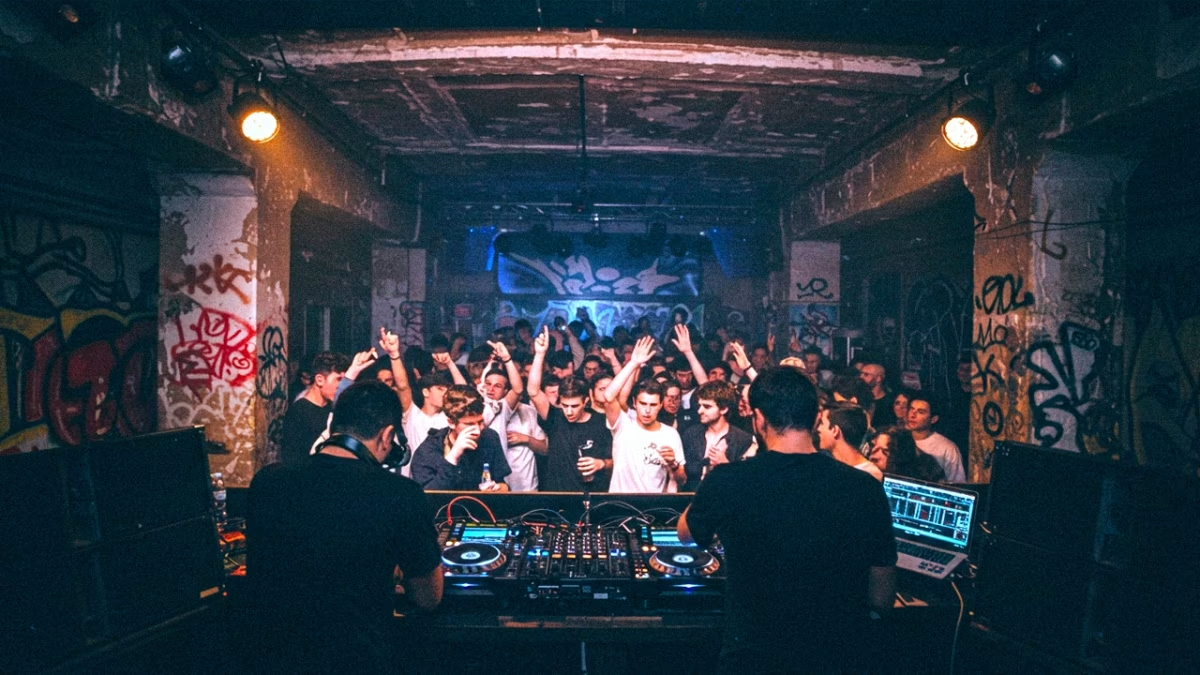
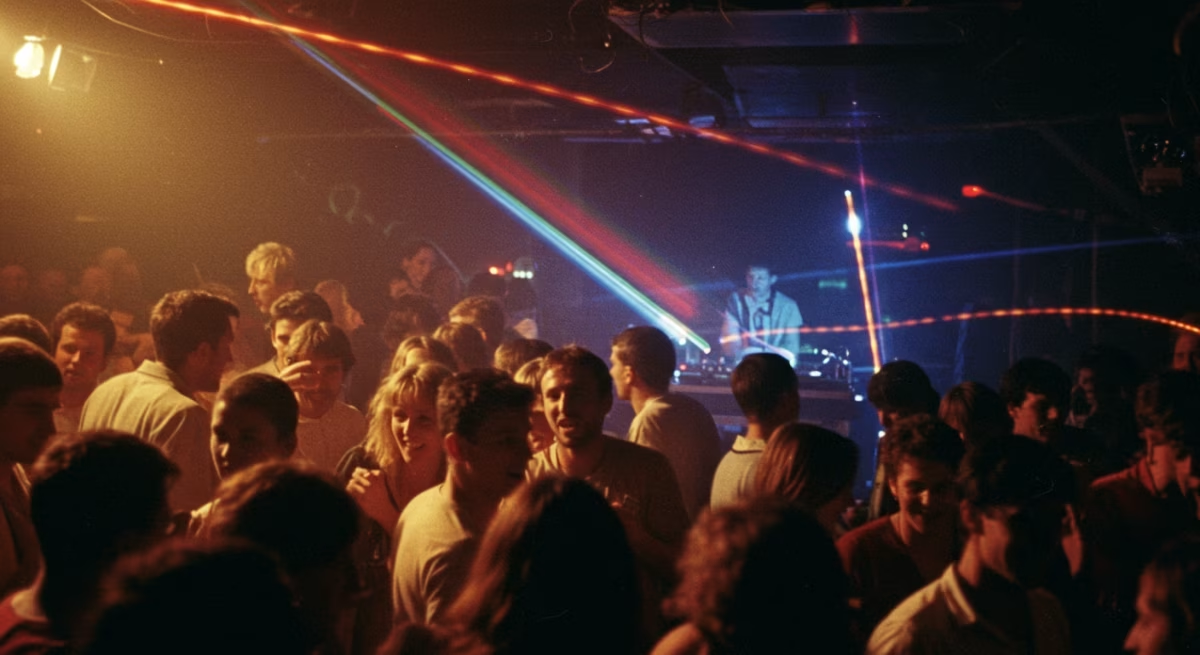
Furthermore, many view capturing photos and videos as an integral part of the concert experience. These recordings serve as personal souvenirs that can be relived and shared with friends. This fan-generated content can also be a powerful promotional tool for artists, especially emerging acts who benefit from the free publicity of a viral clip. Historically, bands like the Grateful Dead actively encouraged fans to record their shows, which helped build a massive and loyal community.
Finally, some attendees simply object to what they see as a “draconiac” policy, feeling that it treats paying customers like children and removes their choice in how they wish to experience an event they paid for. 5
How It Works: Methods of Enforcement
Venues have adopted several strategies to create phone-free spaces:
- Lockable Pouches: The system used by artists like Puscifer and Jack White involves securing guests’ phones in a Yondr pouch upon entry. The pouch is locked magnetically, and attendees keep it with them, only able to unlock it at designated stations in the lobby.
- The Sticker Method: Popular in many European clubs, this low-tech solution involves placing a sticker over a phone’s camera lenses at the door. This prevents photos and videos while still allowing the phone to be used for texting away from the dancefloor. 6
- Strict Door Policy: Some venues, like Nowadays in NYC, rely on communicating a clear policy at the entrance and having floor staff who enforce the “no phones on the dancefloor” rule throughout the night.
As the debate continues, the phone-free movement highlights a central tension of modern life. It forces a conversation about what it means to be present and whether the value of a shared, ephemeral moment outweighs the desire to capture it forever. The future of nightlife may not be a complete ban, but a landscape of choices, where some dancefloors glow with screens and others thrive in the dark.
- https://weraveyou.com/2024/08/no-phone-policy-djs/ ↩︎
- https://www.ibiza1radio.com/2024/08/the-irony-of-djs-and-smartphone-bans/ ↩︎
- https://www.cbc.ca/news/canada/british-columbia/chris-rock-comedian-phone-ban-vancouver-first-time-1.4287189 ↩︎
- https://phonelocker.com/nightclubs-going-phone-free-across-europe/ ↩︎
- https://blog.pioneerdj.com/dj-culture/why-are-no-phones-policies-becoming-increasingly-popular/ ↩︎
- https://www.dazeddigital.com/music/article/65996/1/could-phone-free-clubs-save-nightlife-dancefloor-ambers-manchester-berlin ↩︎
* generate randomized username
- COMMENT_FIRST
- #1 Lord_Nikon [12]
- #2 Void_Reaper [10]
- #3 Cereal_Killer [10]
- #4 Dark_Pulse [9]
- #5 Void_Strike [8]
- #6 Phantom_Phreak [7]
- #7 Data_Drifter [7]
- #8 Zero_Cool [7]