What happens when a multi-million dollar corporation tries to own a vibe? In early 2023, the electronic dance music (EDM) world found out when Insomniac Events, the mega-promoter behind festivals like EDC, tried to trademark “PLUR”. The move by the Live Nation subsidiary immediately sent shockwaves through the community, sparking a debate about authenticity, corporate overreach, and who gets to own the soul of a subculture.
A Brief History of PLUR
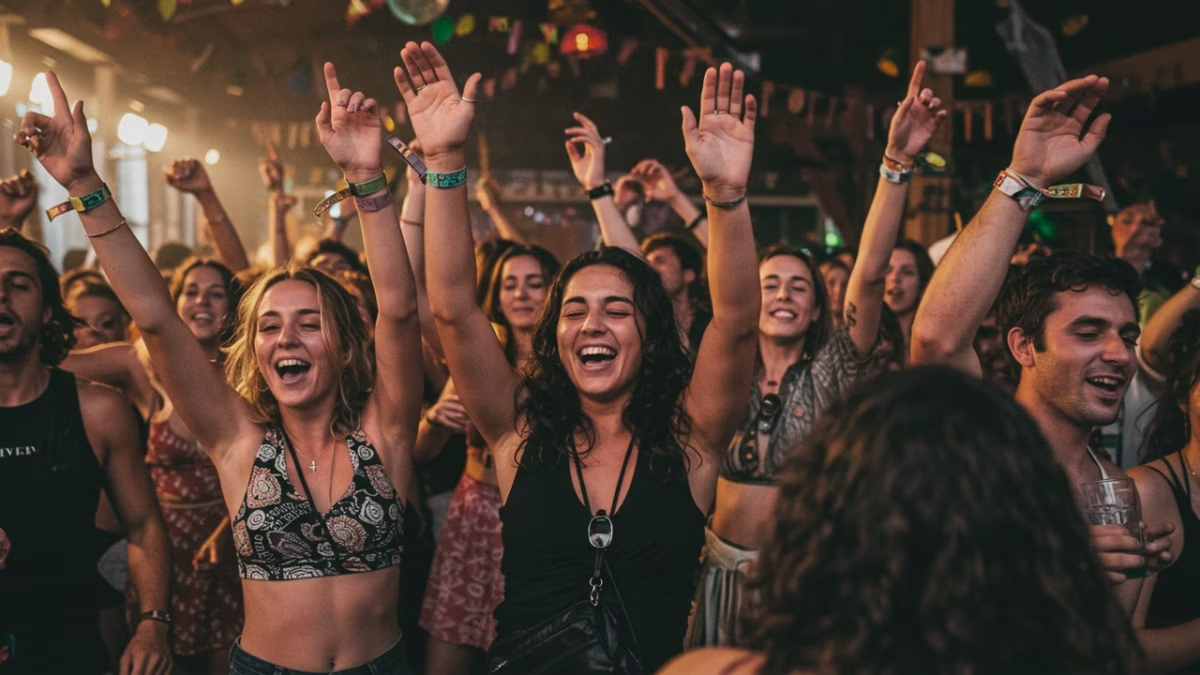
For anyone outside the scene, PLUR is an acronym for Peace, Love, Unity, and Respect. It’s more than just a catchy phrase; it’s the foundational ethos of rave culture, a code of conduct that has guided ravers for decades.
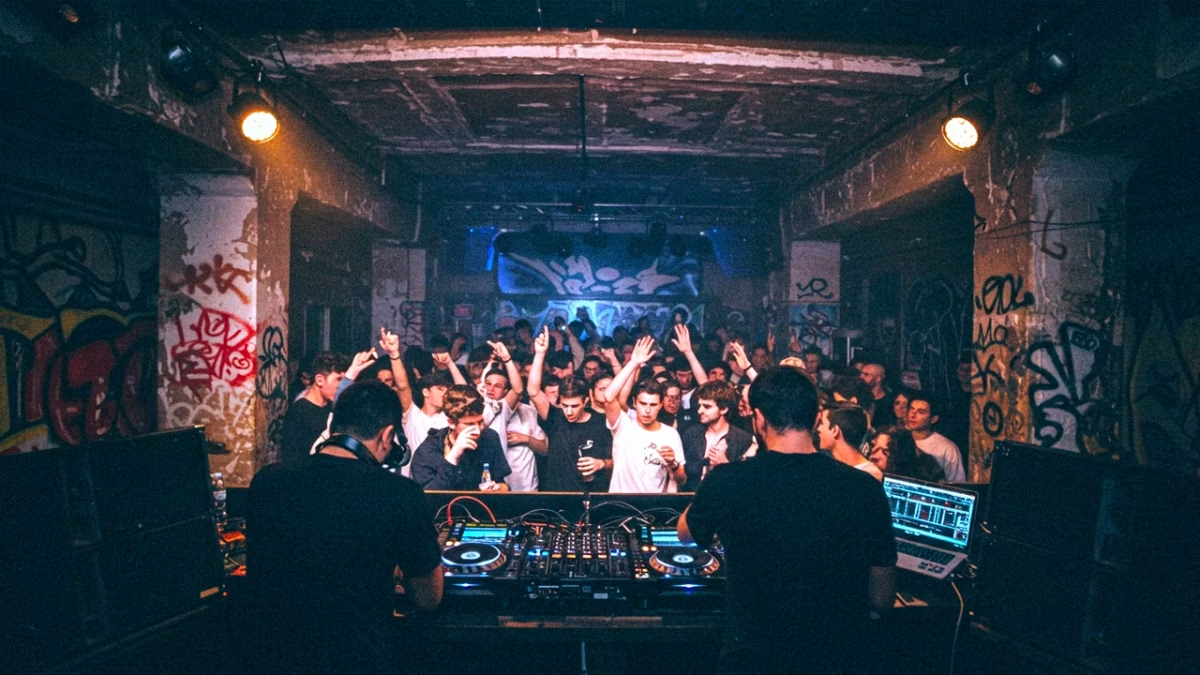
The term’s origin is the stuff of rave legend. Its principles were inherited from earlier counter-cultures, blending the “Peace” and “Love” of the hippie movement with the “Respect” central to hip-hop culture. The rave scene itself was born as a reaction against the exclusive and commercialized mainstream club culture of the time. The goal was to create non-commercial “safe havens” in unconventional spaces like warehouses and abandoned buildings.
The specific acronym is widely credited to the legendary New York DJ Frankie Bones. During one of his seminal “Storm Raves” in Brooklyn in 1993, a fight broke out. In response, Bones famously grabbed the microphone and proclaimed, “If you don’t start showing some peace, love, and unity, I’ll break your faces“. The crowd adopted the phrase, and “Respect” was added soon after to complete the mantra. From its inception, PLUR was a community-generated idea meant to keep raves as safe, inclusive spaces, especially for marginalized groups looking for a haven from judgment.
So, What Was the Trademark Drama About?
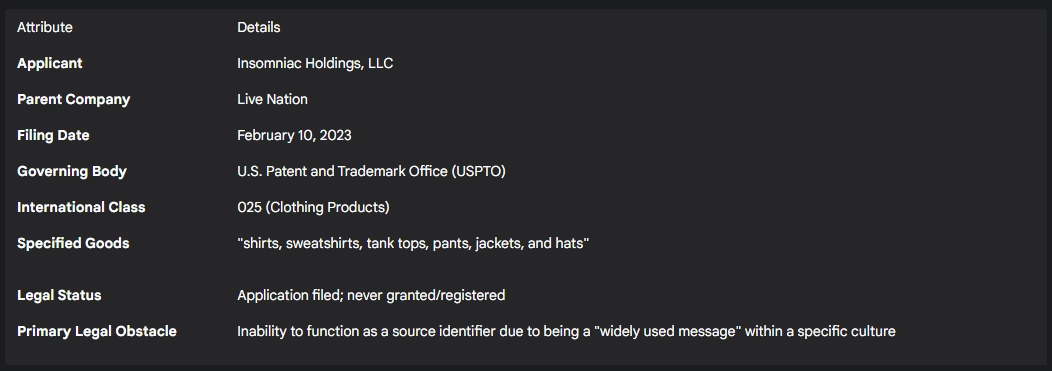
On February 10, 2023, Insomniac filed an application with the U.S. Patent and Trademark Office (USPTO). But here’s a key detail that got lost in the outrage: they weren’t trying to trademark the concept of PLUR itself. The application was specifically for using the word on merchandise—things like “shirts, sweatshirts, tank tops, pants, jackets, and hats”.
Legally, this is a pretty standard business move. A trademark protects a brand’s use of a word or symbol for specific goods, not the word in general. Insomniac’s likely intention was to launch its own PLUR-branded clothing line and possibly prevent fast-fashion giants from ripping off their designs. But the community didn’t see a nuanced legal filing. They saw a corporate giant trying to slap a price tag on their philosophy.
The Community Was Not Having It
The backlash was immediate and fierce. Social media exploded with comments like, “That’s not very PLUR of them,” and “Trying to trademark plur is fucking evil”. The hashtag #PLURisNotForSale went viral, and a Change.org petition titled “PLUR Is Public Domain” quickly gathered over 10,000 signatures.
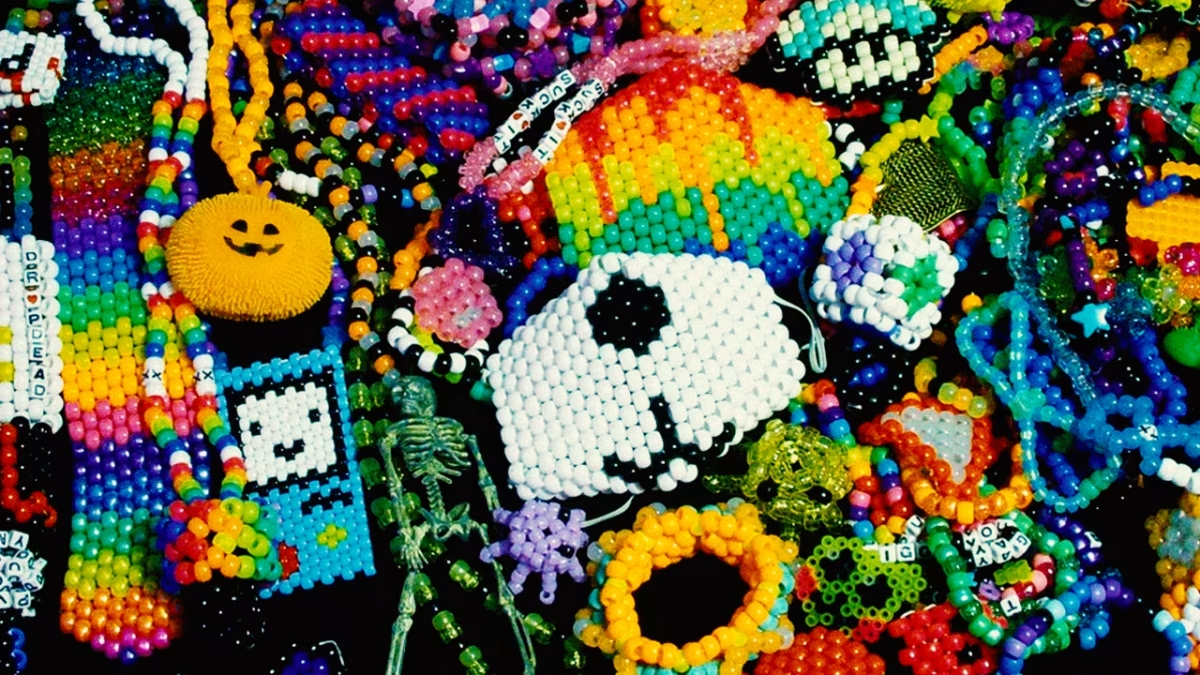
For many, this was the ultimate act of hypocrisy. The move threatened not just the community’s values but also the livelihoods of small creators on platforms like Etsy who sell their own PLUR-themed gear.
A Plot Twist: The Creator of PLUR Gives His Blessing
Just when the battle lines seemed clear, the narrative got a major plot twist. Frankie Bones, the DJ credited with coining the phrase, publicly gave Insomniac his blessing. He stated, “Pasquale Rotella is the absolute one and only person alive on the planet today who has done more for rave culture [than] anyone else… So I gave my blessing“.
This endorsement split opinions. Bones, a pioneer from the underground days, seemed to view Insomniac as a partner that helped the scene grow. But many modern ravers, wary of corporate influence, saw the move as a betrayal, regardless of who approved it.
The Final Verdict: PLUR Remains Free
In the end, the community’s voice won out. Faced with overwhelming public pressure and a legally “uphill battle,” the trademark was never officially granted by the USPTO. Insomniac and its CEO, Pasquale Rotella, remained silent on the controversy, but the outcome was clear: PLUR was not for sale.
The whole affair served as a powerful reminder that some things can’t be bought. While corporations will always play a role in the festival scene, the core identity and soul of the culture belong to the community that lives and breathes it every day.
* generate randomized username
- COMMENT_FIRST
- #1 Lord_Nikon [12]
- #2 Void_Reaper [10]
- #3 Cereal_Killer [10]
- #4 Dark_Pulse [9]
- #5 Void_Strike [8]
- #6 Phantom_Phreak [7]
- #7 Data_Drifter [7]
- #8 Zero_Cool [7]