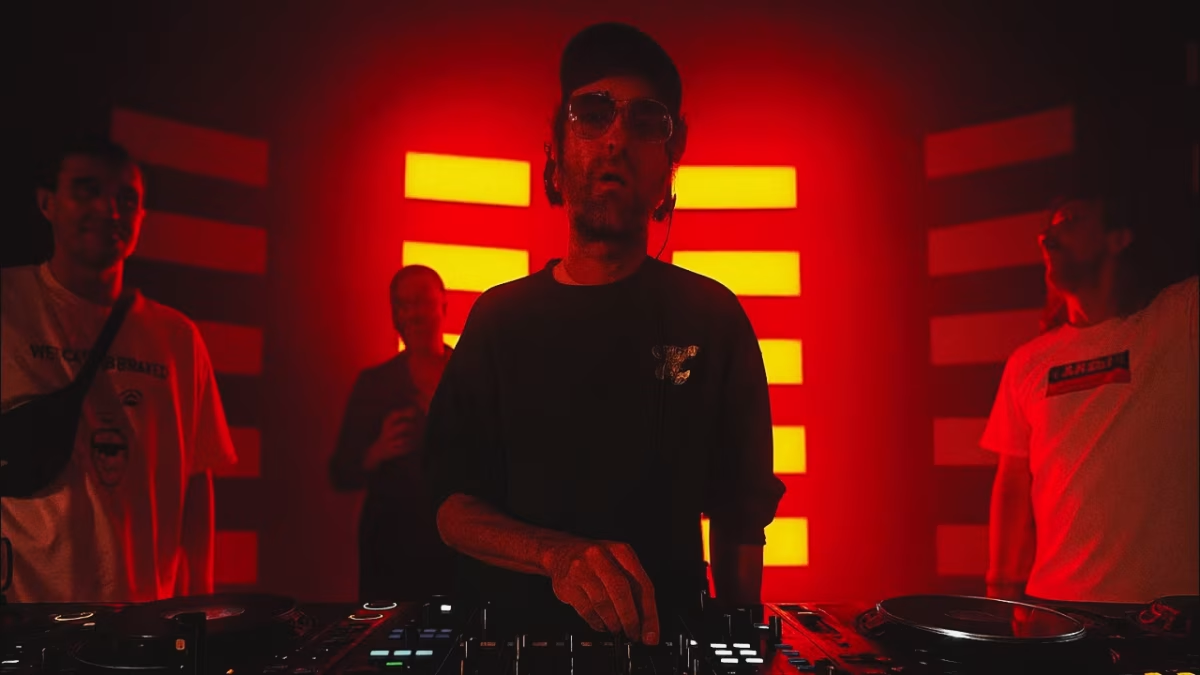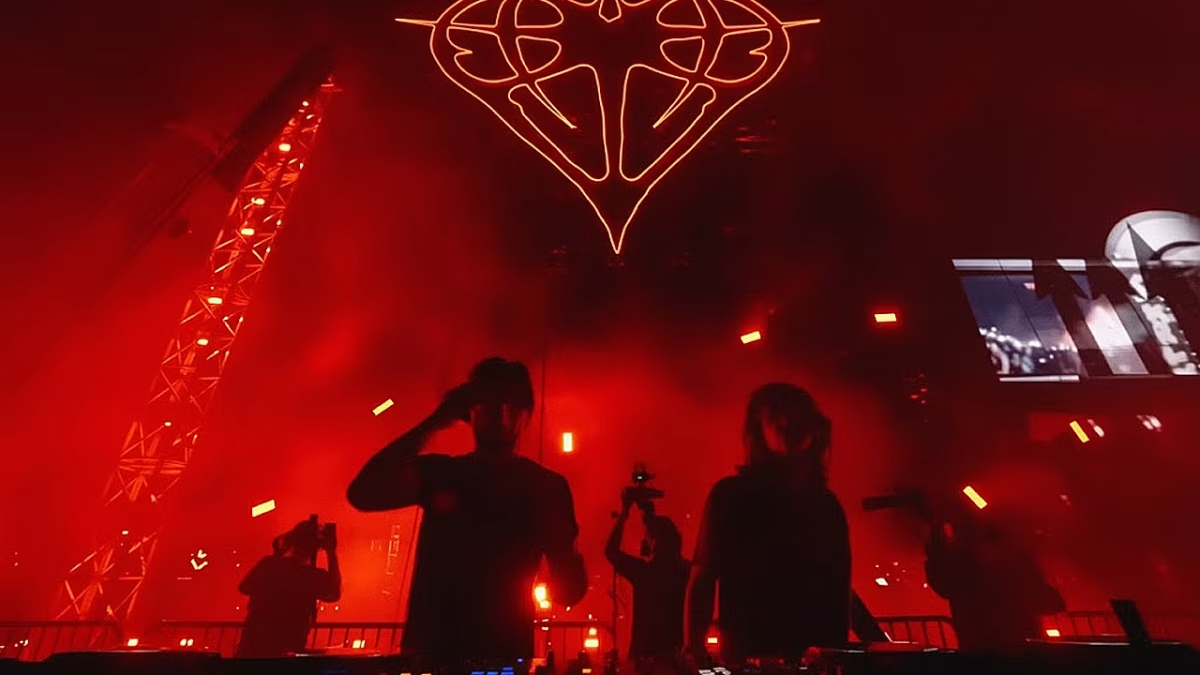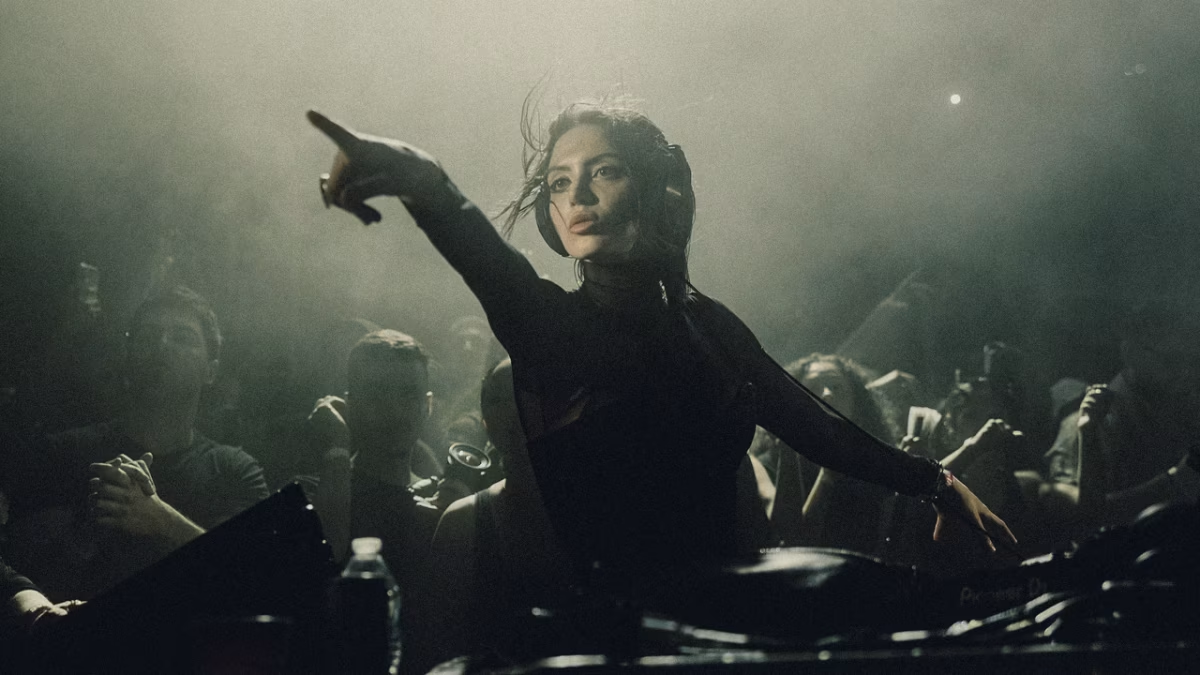

The first time Sara Landry realized hard techno had officially escaped the underground was when she became the first woman DJ to headline The Sphere in Las Vegas. Sitting in her Vegas hotel room hours before the set, the Texas-born producer, who was scrapping by as a food delivery driver just three years prior, stared out at the massive venue and wept. “I had ADHD,” she later recalled of the moment. “I have no sense of object permanence at all. But seeing The Sphere out that window, I was like, ‘Oh my god, I’m playing in that venue tomorrow.'” 1
This isn’t a story about a lone success. It’s the story of an entire genre’s escape velocity.
In 2025, hard techno has fundamentally transformed from an exclusively underground warehouse phenomenon into a mainstream cultural force reshaping how millions of people consume electronic music. The shift wasn’t gradual. It was explosive, algorithmic, and powered by a generation that doesn’t believe in gatekeeping. 2
The TikTok Equation: Virality as Currency
Here’s the thing about hard techno and TikTok: they were destined to find each other. The algorithm hunts for content that triggers immediate engagement, and hard techno’s aggressive kicks, hypnotic rhythms, and dramatic drops are literally engineered for scroll-stopping moments.
Artists like Landry, Novah, and Nicolas Julian didn’t climb through the traditional ranks: bedroom producer to club resident to festival booking. They exploded. Overnight. Hashtags like #HardTechno and #TikTokTechno accumulated billions of views in 2025, creating a cohesive cultural movement that blended dance routines, rave fashion, DIY production tutorials, and chaotic humor into a singular aesthetic. Young ravers weren’t discovering hard techno through DJ blogs or clubland hearsay anymore. They were finding it on their For You pages.
“TikTok Hard Techno in 2025 isn’t niche anymore,” industry observers noted. “It’s conquering TikTok feeds and reshaping music festivals worldwide.” What traditionally took years of underground credibility, building a devoted following, earning DJ respect, and securing club bookings, now happened in weeks or even days.
The genius was never in the individual artists. It was in understanding that the platform’s algorithm doesn’t care about scene purity. It cares about watch time, shares, and engagement. Hard techno’s sonic characteristics, relentless intensity, no breath, no melodic rest, are basically TikTok’s native language. The genre went from warehouse to algorithm in a single moment.
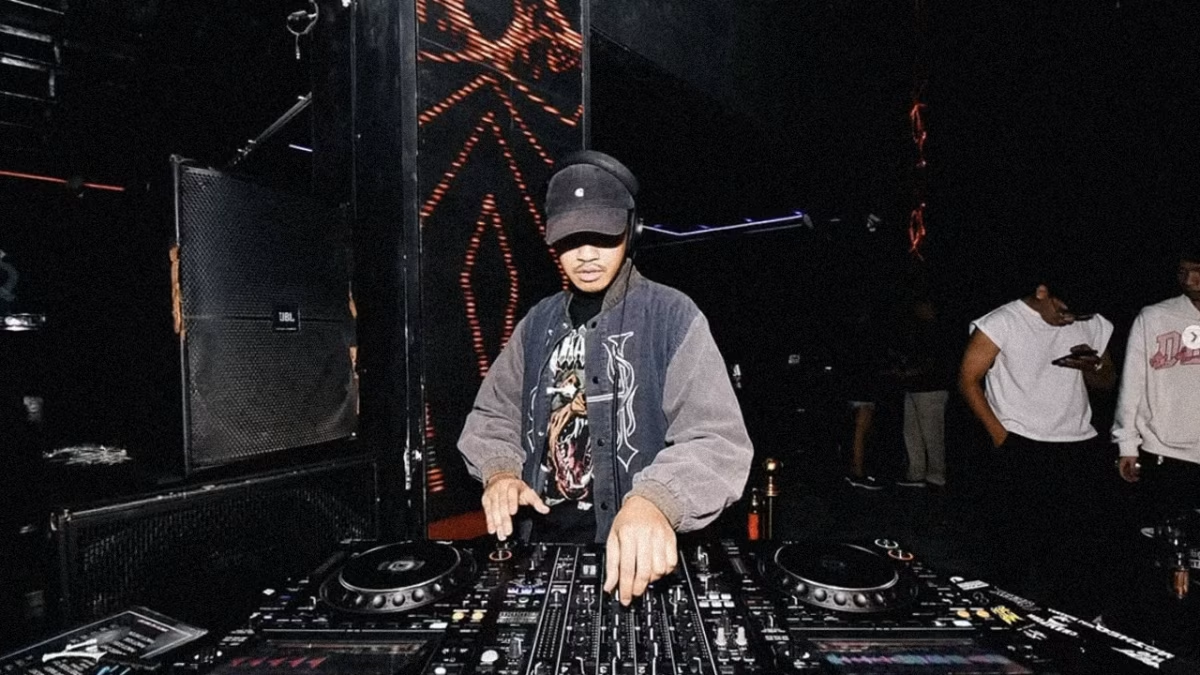
What Does “Business Techno” Actually Mean for DJs and Fans?
The Festival Industrial Complex Swallows Another Genre
By summer 2025, the evidence was undeniable: hard techno wasn’t just gaining acceptance on festival lineups. It was commanding them. Events like Verknipt, Awakenings, Teletech, and Rotterdam Rave didn’t add hard techno to their programming. They built their entire business models around it.
The shift was startling in its completeness. Major festivals began introducing “TikTok stages,” visually designed hotspots explicitly curated for social media shareability, featuring emerging viral artists, staged b2bs, and production values specifically calibrated for Instagram Stories and TikTok clips. Festival organizers weren’t responding to grassroots demand. They were manufacturing it, recognizing that a viral moment on social media could translate into next year’s ticket sales.
Landry, for her part, understood the assignment. After headlining Tomorrowland’s mainstage, making history as the first hard techno artist to do so, she launched a European tour called Eternalism, which she positioned not as concerts but as “spiritual gatherings, a testament to the power of collective energies.” This was smart branding. It reframed the commercialization as something spiritual, something pure. It’s the oldest trick in the book, and it works. 3
The Definition Problem Nobody Wants to Solve
Here’s where it gets weird. Nobody can actually agree on what hard techno is anymore.
In a recent livestream debate, Landry herself acknowledged the fractured landscape: “There’s like six different things right now that are considered hard techno. You have the classic hard techno, the Dutch sound that borders on gabber, industrial, hard bounce and hard groove stuff. There’s definitely the rawstyle type element.” Sonically, hard techno typically operates at 140 to 160 BPM, with relentless intensity, distorted percussion, and raw atmosphere. But in practical terms, the definition has become so elastic that it barely means anything anymore. 4
What everyone does agree on: hard techno’s aesthetic, industrial, brutalist, aesthetically coded as anti-establishment, has become mainstream consumer culture. The paradox is almost poetic. A genre whose cultural power depended on feeling dangerous and underground is now selling out festival main stages, yet somehow still looks dangerous and underground while doing it.
The Purity Wars: When Gatekeeping Meets Misogyny
Not everyone’s celebrating.
Deep in Reddit’s techno communities, a predictable war is raging. Purists argue that hard techno’s commercialization represents a complete betrayal of the genre’s foundational values. “Hard Techno embodies the very concerns that Underground Resistance warned us about,” one Reddit user wrote bitterly. “The scene transformed drastically, shifting from a culture of sharing to one influenced by personal gain.” 5
The criticism often focuses on sonic homogenization: predictable formulas of massive kick drums, telegraphed breakdowns, and festival-designed drops, formulaic explosions designed to make people throw their hands in the air at the exact right moment. There’s a real point buried in there about authenticity and artistic integrity.
But there’s also something uglier happening. Much of the backlash, particularly aimed at Landry, carries an undertone of misogyny that’s impossible to ignore. A woman DJ’s success gets questioned in ways her male counterparts never face. A woman’s commercial ambitions are framed as selling out; a man’s are reframed as evolution. 6
Landry has addressed this directly: “There’s definitely a social construct of value within underground spaces where individuals want to feel ‘cool’ for knowing about and enjoying this music. I find myself wanting to do things that are more commercial than what a lot of people may think techno can be.” The subtext: she’s aware the gatekeepers hate her. She’s doing it anyway.
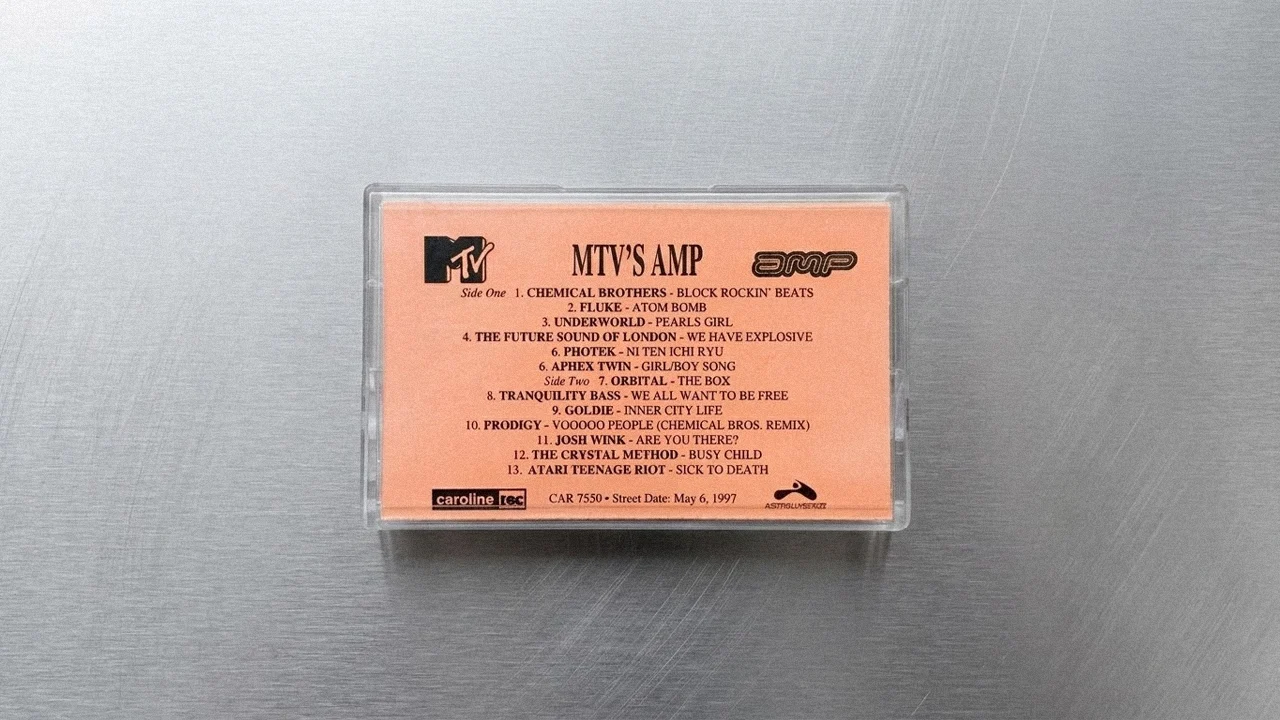

The Generation That Doesn’t Care About Your Scene Credentials
Here’s what the purists are missing: the new generation of ravers doesn’t value scene credentials the way their predecessors did. They didn’t grow up discovering underground techno through word of mouth and secret parties. They grew up on social media. Authenticity, for them, isn’t about how long you’ve paid dues. It’s about whether the music feels real.
Hard techno’s energy does feel real. It’s raw, aggressive, uncompromised, even as it’s being packaged and sold to massive festival crowds. This isn’t a contradiction for Gen Z ravers. It’s just how music works now.
Additionally, hard techno’s mainstream visibility has resurrected emotional connections for older ravers who grew up with 1990s hardcore and early 2000s rave culture. For them, hard techno isn’t new. It’s nostalgic. It’s coming home.

Why Millennials and Gen X Are Blaming Gen Z for Killing EDM and Why They’re Kind of Missing the Point
The Numbers Don’t Lie
Beatport’s hard techno charts documented consistent growth throughout 2025, with July’s “Best New Hard Techno” chart tracking releases across diverse imprints and production teams at 147 to 155 BPM. More tellingly, hard techno expanded from niche DJ retailers to mainstream streaming platforms, making the genre accessible to people who would never set foot in a warehouse party.
Festival calendars for 2025 to 2026 verify hard techno’s centralization in major event programming. This isn’t marginal anymore. This is primary revenue.
What Happens Next
As of late 2025, hard techno’s transition from underground to mainstream appears irreversible. Artists are now strategically crafting music designed to work on both TikTok’s algorithm and festival main stages. The genre has fundamentally altered how electronic music is consumed globally.
Whether this represents artistic evolution or commercial burnout remains hotly contested. But that debate feels increasingly academic. Hard techno didn’t break through to the mainstream. It exploded through, and the door is still swinging open.
“Hard techno finally feels like it belongs everywhere,” as one DJ put it. “The energy, the rawness, it’s what this generation craves.”
Whether that’s a good thing or a catastrophic dilution probably depends on whether you were in the warehouse before the algorithm got there.
- https://www.interviewmagazine.com/music/meet-dj-sara-landry-the-high-priestess-of-hard-techno ↩︎
- https://hardtechnolivesets.com/the-hardtechno-2025-revolution/ ↩︎
- https://www.billboard.com/music/music-news/sara-landry-hard-techno-spiritual-driveby-1235810498/ ↩︎
- https://youtu.be/qbOyKmPN4yI ↩︎
- https://www.reddit.com/r/Techno/comments/1hgi2v7/do_you_actually_dislike_hard_techno_or_the_people/ ↩︎
- https://www.rollingstone.com/music/music-features/sara-landry-boiler-room-coachella-interview-1235317887/ ↩︎
* generate randomized username
- COMMENT_FIRST
- #1 Lord_Nikon [12]
- #2 Void_Reaper [10]
- #3 Cereal_Killer [10]
- #4 Dark_Pulse [9]
- #5 Void_Strike [8]
- #6 Phantom_Phreak [7]
- #7 Data_Drifter [7]
- #8 Zero_Cool [7]