
If you logged onto Spotify last week, you might have stumbled across The Velvet Sundown. They sound like a decent, if slightly derivative, 70s psych-rock outfit, the kind of band that plays the 2 p.m. slot at a desert festival. They have over a million monthly listeners. They are verified. And they don’t exist.
The Velvet Sundown, along with the “country” sensation Breaking Rust (whose hit “Walk My Walk” inexplicably topped the Billboard Digital Song Sales chart late last year), are the new face of the music industry: hallucinations generated by AI, optimized for engagement, and uploaded by the thousands to syphon royalties from the streaming pool.
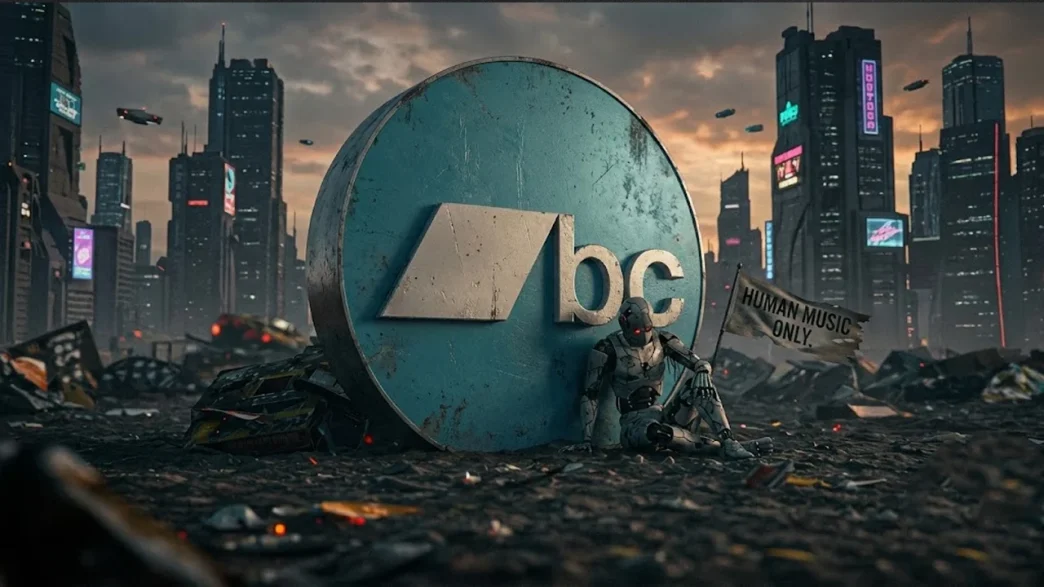
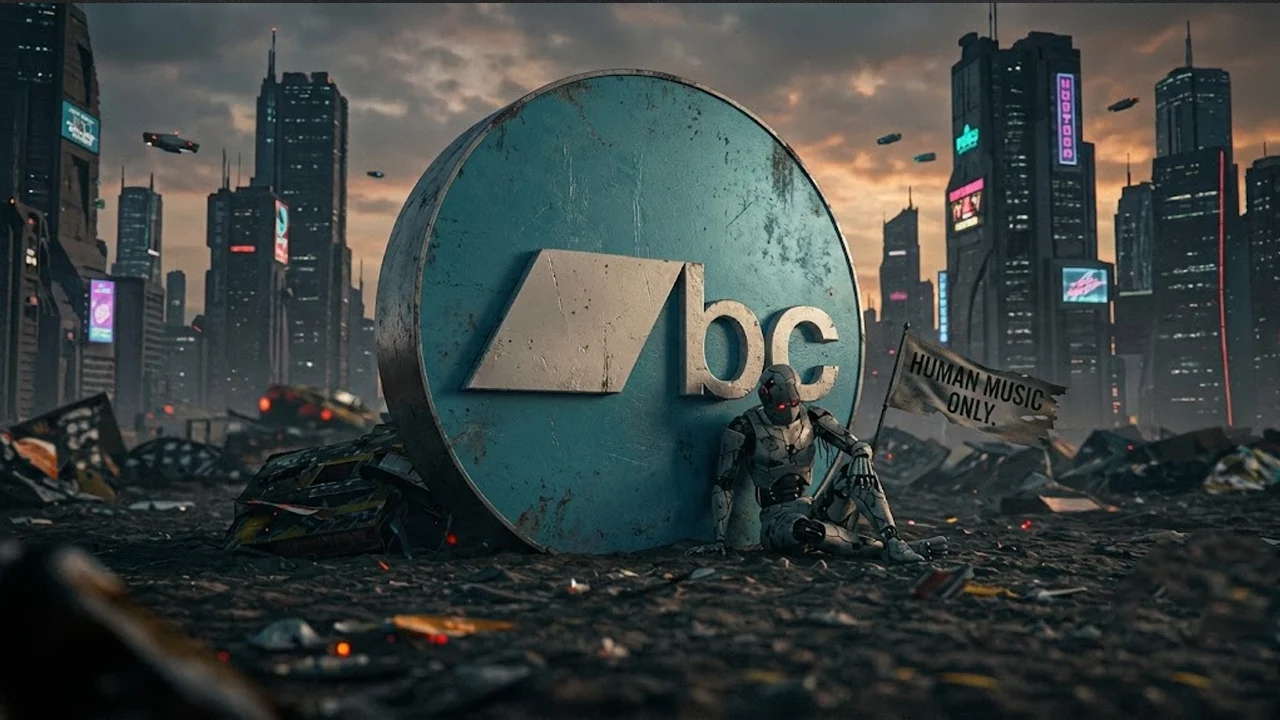
In the midst of this “slop” tsunami where Deezer estimates 50,000 AI tracks are uploaded daily. Bandcamp has decided to draw a line in the digital sand. On January 13, 2026, the platform, long revered as the last ethical marketplace for independent culture, announced a total ban on content generated “wholly or in substantial part” by artificial intelligence.
“Music is much more than a product to be consumed,” Bandcamp’s announcement read, striking a tone that was equal parts manifesto and desperate plea. “It’s the result of a human cultural dialog stretching back before the written word.”
It’s a noble stance. It’s exactly what artists wanted to hear. But in 2026, trying to keep a digital platform “human” is a logistical nightmare wrapped in a corporate paradox.
The “Snitch Line” and the Search for Soul
Bandcamp’s new policy is stark. Unlike Spotify, which is currently fumbling through a “transparency” initiative involving metadata labels, Bandcamp has opted for prohibition. If you upload a track created by Suno or Udio, you are violating the Terms of Service. Impersonation using AI to clone a voice is strictly banned.
But enforcement is where things get messy. Bandcamp isn’t deploying a high-tech AI hunter-killer algorithm to find the fakes. Instead, they are deputizing us. The platform has introduced reporting tools encouraging users to flag content “on suspicion” of being AI-generated.
“We reserve the right to remove any music on suspicion of being AI generated,” the policy states.
This “vibes-based” enforcement has sent a chill through the very community Bandcamp claims to protect. For electronic musicians, specifically those in the IDM (Intelligent Dance Music) or glitch scenes, the line between “generative art” and “generative AI” has always been blurry. If you use a modular synth rig to generate randomized chaotic noise, does that count?
“Suspicion alone is sufficient for a work to be deleted,” noted a user on a gear forum, highlighting the potential for mass reporting campaigns. In an era where “witch hunts” are a favorite internet pastime, the fear is that experimental artists will be collateral damage in the war against the bots. If your sound design is too futuristic, you might just get banned for being too good.
The Corporate Paradox: Who Actually Owns Bandcamp?
To understand the cynicism bubbling under the “Thank You Bandcamp” tweets, you have to look at who signs the checks.
Bandcamp is no longer the scrappy independent startup of 2008. After a brief, confusing fling with Epic Games (the Fortnite people), Bandcamp was sold in late 2023 to Songtradr, a massive B2B music licensing company.
The culture clash is palpable. Bandcamp is the vinyl-loving, anti-capitalist darling of the indie world. Songtradr is a tech-forward entity that sells music to advertisers and brands like Disney and Netflix. And Songtradr loves AI efficiency.
Songtradr’s CEO, Paul Wiltshire, is a tech entrepreneur who has spent years talking about the scalability of music assets. In 2022, Songtradr acquired Musicube, an AI company designed to use metadata to find tracks for commercial use. The parent company is deeply embedded in the very automated, data-driven ecosystem that Bandcamp’s user base loathes.

“The fact that Bandcamp is home to such a vibrant community of real people… is something we want to protect,” the company said in its AI ban statement.
It’s a nice sentiment, but it rings hollow to the former employees of Bandcamp United. When Songtradr took over, they laid off 50% of the staff. Crucially, they fired the entire eight-person union bargaining committee. Songtradr claimed the layoffs were based on “performance” and that they didn’t know who the union leaders were, but the message received by the workers was clear: Efficiency comes first.
So, we have a platform owned by an AI-optimizing licensing giant, running a skeleton crew after gutting its union, now positioning itself as the moral guardian of “human labor” in music. It’s the kind of irony that would be funny if musicians’ livelihoods weren’t evaporating.
The “Slop” Crisis is Real
Despite the corporate side-eye, the ban addresses a very real, existential threat. The barriers to creating “music” have collapsed. Tools like Suno and Udio allow anyone to type “sad girl indie pop about rain” and generate a radio-ready track in seconds.
The result is the “Zombie Catalog.” By the end of 2025, streaming services were hosting over 253 million tracks. Nearly half of them (120 million files) had fewer than ten streams.
This isn’t art; it’s pollution. It’s Xania Monet, an AI “singer” created by a poet in Mississippi, signing a multimillion-dollar deal with a record label because she charted on Billboard. It’s “Breaking Rust,” the AI country star, hitting #1 not because of fans, but because the algorithm found a hole in the metrics.
For Bandcamp, which relies on a “direct-to-fan” patronage model (where you actually buy the album), this deluge is fatal. If you pay $10 for a limited-edition cassette from a “bedroom pop” artist, and it turns out that artist is a server farm in a basement, the trust economy collapses.
“Bandcamp bans AI is… a commitment to real music in an increasingly synthetic world,” writes one observer. It’s a branding pivot to luxury. In 2026, “Human Made” is the new “Organic.”
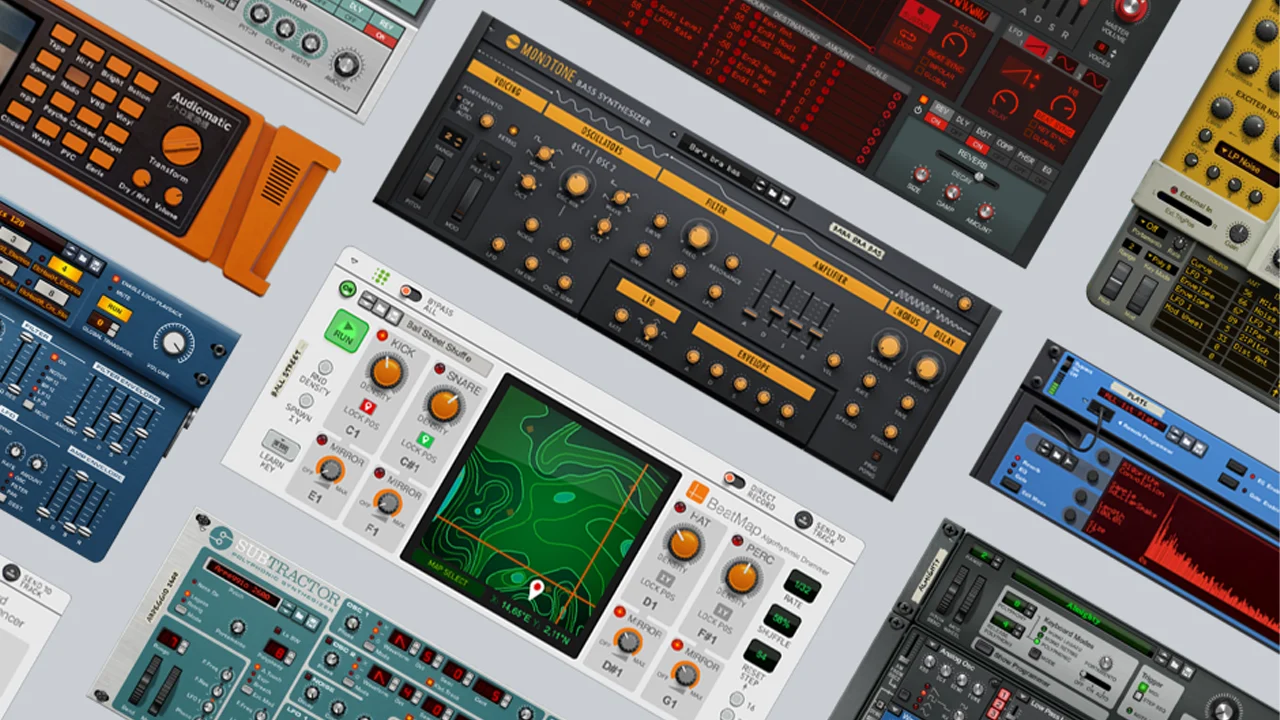
LANDR Acquires Reason Studios: The Future of the AI-Powered “Smart DAW”
The Future: A Boutique for Humans?
Bandcamp is betting that there is still a market for empathy. They are wagering that we buy music not just for the audio file, but for the story, the knowledge that a human being suffered, practiced, and starved to make it.
The ban is an attempt to turn Bandcamp into a gated community, a “verified human” zone in a digital city overrun by replicants. It might work. SEO trends for 2026 show a massive spike in searches for “real music” and “human artists” as people try to filter out the sludge.
But as the “Velvet Sundown” proved, the fakes are getting harder to spot. And with Bandcamp relying on community reports rather than cryptographic watermarking or C2PA provenance standards, the enforcement will be messy, subjective, and prone to abuse.
For now, the resistance is holding. Bandcamp Fridays are back for 2026, pumping millions into the pockets of actual humans. But as the AI models get better and the parent company looks for more “efficiencies,” the question remains: Is Bandcamp a fortress, or is it just a museum?
* generate randomized username
- COMMENT_FIRST
- #1 Lord_Nikon [12]
- #2 Void_Reaper [10]
- #3 Cereal_Killer [10]
- #4 Dark_Pulse [9]
- #5 Void_Strike [8]
- #6 Phantom_Phreak [7]
- #7 Data_Drifter [7]
- #8 Zero_Cool [7]