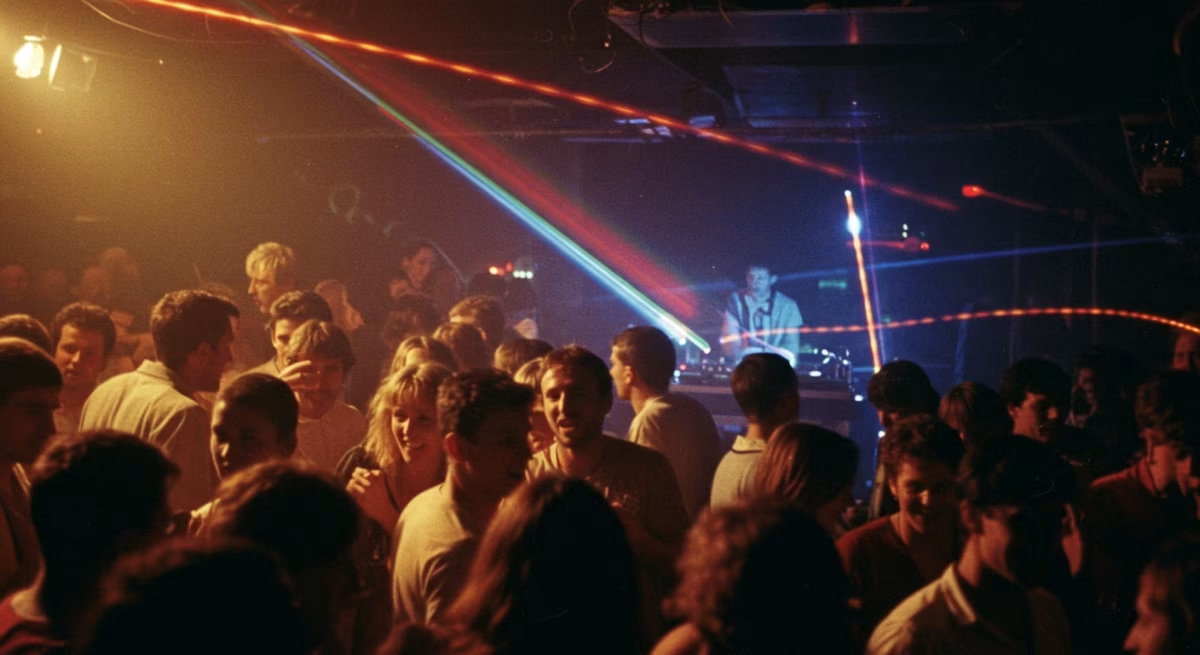
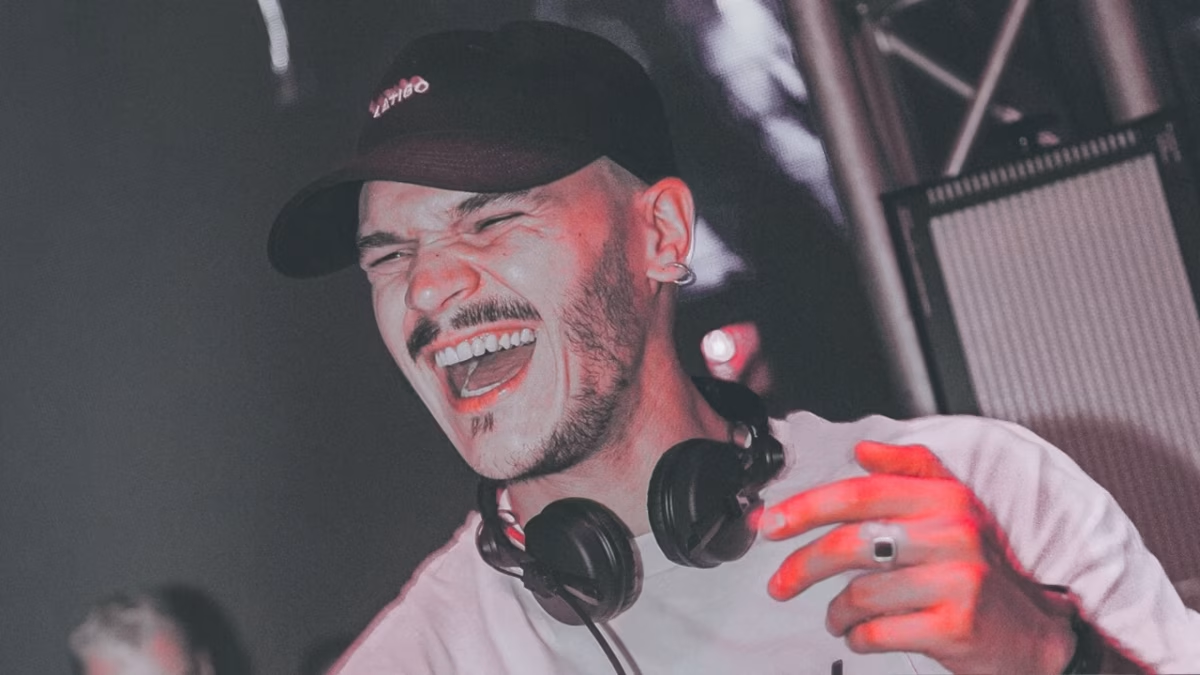
By day, I’m a medical professional, navigating the structured world of healthcare. But by night, I’m a DJ and producer, lost in beats and basslines. This dual life has given me a unique perspective on the DJ dream. The glamour of packed dance floors and social media hype is real, but it’s only one side of the record. The other side is a story of countless hours spent practicing, digging for music, and marketing yourself—all while juggling a day job.
DJing is incredibly time-consuming, and the reality is, it’s a tough way to make a living, especially when you’re starting out. Relying on it as your primary source of income can add immense pressure that kills the passion that got you started. That’s why I’ve always balanced it with a stable career. It’s not about giving up on the dream; it’s about building a sustainable path to get there. Whether you’re a beginner or a veteran, the journey is full of hurdles that test more than just your mixing skills. Here’s a look at the top challenges you’ll encounter.
1. The Tech & Skill Hurdle
For beginner DJs, the first challenge is mastering the gear and fundamental skills. It’s not just about hitting the “sync” button. Learning to beatmatch by ear is a crucial skill that prepares you for any situation, especially when club equipment is unreliable. You also need to understand basic music theory, like phrasing and song structure, to avoid clashing vocals and create smooth transitions. For veterans, the challenge shifts to adapting to new technology like AI tools and stem separation without losing your unique style.
2. The High Cost of Entry
Starting a DJ career isn’t cheap. A basic but functional setup with a controller, software, and headphones can cost anywhere from around $300 to over $1,000. This initial investment is a significant barrier, especially when your first gigs might be unpaid.
3. Building a Killer Music Library
Your music library is your most important asset. For new DJs, the challenge is sourcing high-quality tracks—not just rips from YouTube—and organizing them effectively. Veterans face “library bloat” and the constant pressure to dig for fresh, unique music to avoid sounding repetitive and maintain a signature sound.


4. Getting Gigs and Getting Paid
One of the toughest parts of a DJ career is turning your passion into a paycheck. Newcomers often face the “exposure” trap, playing for free just to get a foot in the door. This is why having a day job is so crucial in the beginning. As you gain experience, you have to learn how to negotiate fair rates, which can be tough in a saturated market. Using a contract is essential to protect yourself and ensure you get paid.
5. The Marketing and Branding Game
Talent isn’t enough; you have to be your own PR machine. Building a strong DJ brand—with a unique name, logo, and active online presence on platforms like Instagram and TikTok—is vital for getting noticed and staying relevant. Producing your own music has also become a key way to stand out.
6. The Pressure to Read the Room
A great DJ connects with the crowd, but this is a skill learned through live experience. Performance anxiety is common, especially for beginners, and can make it hard to look up from the decks and gauge the audience’s energy. Even veterans feel the pressure, especially at high-stakes shows. Learning to manage nerves and stay professional, even with a tough crowd or drunken requests, is key.
7. The Physical Toll
The DJ lifestyle is physically demanding. The most significant risk is permanent hearing damage from constant exposure to loud music. Tinnitus—a constant ringing in the ears—is common among DJs, and using professional earplugs is non-negotiable for a long career. Beyond hearing, the late nights, constant travel, and lack of sleep lead to exhaustion and burnout.
8. The Mental Health Maze
The DJ industry can be tough on mental health. The combination of financial instability, high competition, and the isolation of touring creates a perfect storm for anxiety and depression. The extreme highs of performing for a crowd followed by the loneliness of a hotel room can be a huge psychological strain. It’s crucial to establish boundaries, practice self-care, and seek professional help when needed to build a sustainable career.
Playing the Long Game
Building a lasting DJ career is about balancing art with business and passion with pragmatism. It requires technical skill, marketing savvy, and resilience. By understanding these challenges, you can create a strategy to navigate them, protect your health, and build a career that’s not just successful, but sustainable.
FAQs
How much does it cost to start DJing?
The initial cost for beginner DJ equipment can range from around $300 to over $1,000.
How can I get my first DJ gig?
Getting your first gig often requires a mix of networking and proactive effort. A great starting point is to play at house parties or for friends to build confidence and experience.
Is it necessary to learn to beatmatch by ear?
Yes, learning to beatmatch by ear is still considered a fundamental and essential skill for any serious DJ.
* generate randomized username
- COMMENT_FIRST
- #1 Lord_Nikon [12]
- #2 Void_Reaper [10]
- #3 Cereal_Killer [10]
- #4 Dark_Pulse [9]
- #5 Void_Strike [8]
- #6 Phantom_Phreak [7]
- #7 Data_Drifter [7]
- #8 Cipher_Blade [6]