
Let’s be real for a second: the concept of the DJ has morphed into something almost unrecognizable over the last few decades. What started as a strictly utilitarian gig—a disembodied voice pushing shellac records over crackling AM radio waves—eventually birthed the modern festival god. Today, a DJ isn’t just a human playlist; they are curatorial masterminds, manipulating the musical zeitgeist to turn isolated individuals into a sweaty, synchronized hive mind.
But beneath the massive LED screens, the bloated appearance fees, and the relentless hype cycle of electronic dance music (EDM), there’s a surprisingly tender, philanthropic pulse beating at the center of the culture. That pulse is formally recognized every year on March 9th. It’s called International DJ Day (or World DJ Day), and it’s a profound reminder of why we gather in dark rooms to listen to repetitive beats in the first place.
Here is the deep dive into how, when, where, and why International DJ Day started, plus a look at the latest DJing trends shaping the scene in 2026.
How Did International DJ Day Start? The 2002 Origin Story
International DJ Day started in March 2002 when the global club industry, spearheaded by the World DJ Fund Foundation and Nordoff Robbins Music Therapy, organized a week-long global charity campaign. Culminating annually on March 9th, the initiative asks the international electronic community to redirect their gig fees, door money, and broadcast subsidies directly to international children’s charities.
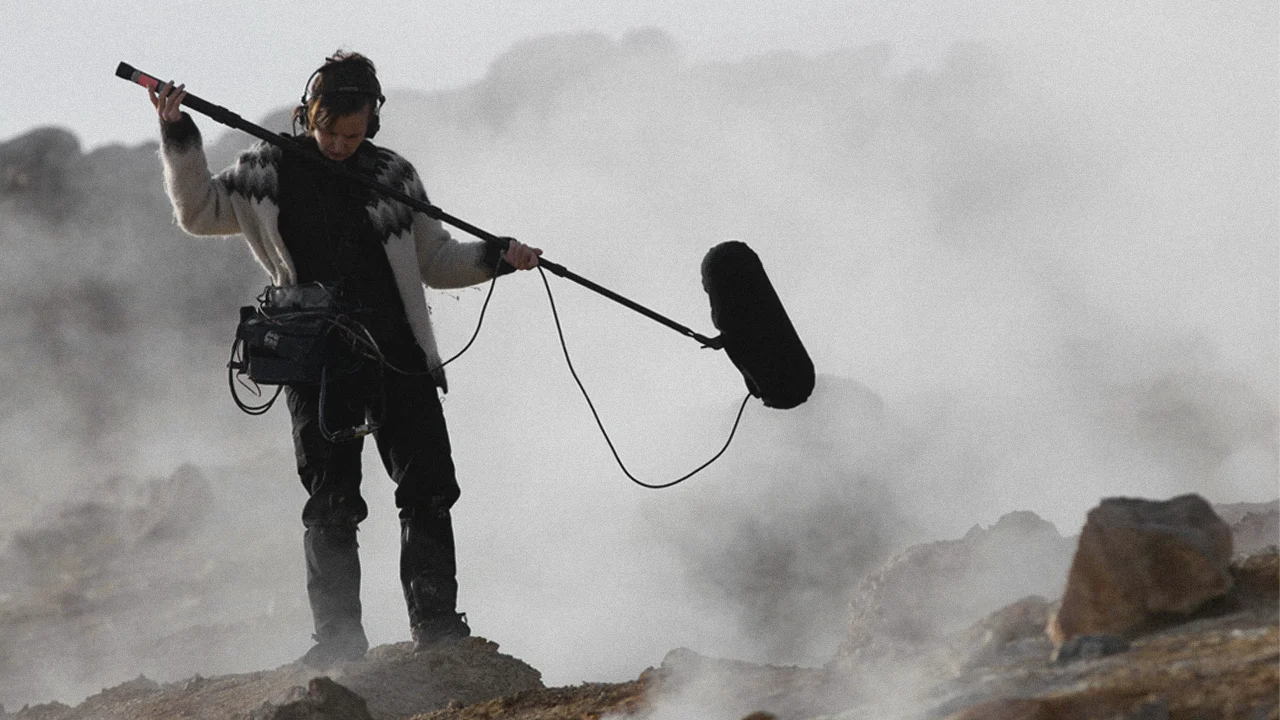
Why Audio Imperfection is the New Standard for Professional Mixing
If you want to trace the roots of this movement, you have to look back to the turn of the millennium. By 2002, global club culture had officially exploded. The underground had gone mainstream, and the international club industry realized it was sitting on an absolute mountain of social capital and financial liquidity.
The maiden voyage of World DJ Day in March 2002 was a massive flex of industry solidarity. The epicenter was the UK, with the legendary London club Fabric throwing a launch party that has since become a piece of crate-digger lore. The lineup featured a veritable who’s who of the era’s tastemakers: James Lavelle of Mo’Wax and UNKLE, the electronic duo Slam, tech-house pioneer Craig Richards, and the funky-house titans X-Press 2. By leveraging the euphoric energy of the dancefloor, these artists proved that club culture could be harnessed to literally heal people.
What Is the Core Idea Behind World DJ Day?
The primary idea behind International DJ Day is to harness the massive social and financial power of the global club industry to support clinical music therapy. By raising funds for Nordoff Robbins, the dance community aims to prove that the exact same rhythms used in nightclubs can therapeutically heal and engage vulnerable children and adults.
To understand the soul of International DJ Day, you have to understand the charity that inspired it. The partnership between DJ culture and this specific clinical practice makes almost too much sense when you break down the philosophy.
Back in 1958, an American composer named Dr. Paul Nordoff and a British special education teacher named Dr. Clive Robbins crossed paths at the Sunfield Children’s Home in the UK. They realized something radical: improvisational music could unlock dormant cognitive and emotional potential in children with severe autism and physical disabilities. They developed a clinical approach where the therapist dynamically manipulates pitch, rhythm, and tempo in real-time to respond to a patient’s micro-expressions.
If that sounds familiar, it’s because it is exactly what a master DJ does at 3:00 AM in a packed basement club.
A great DJ doesn’t just hit play; they read the physiological energy of the room. They ride the pitch, tease the EQ, and drop the bass to engineer a collective emotional release. International DJ Day conceptually connects the DJ in the club to the music therapist in the clinic. Both are using the architecture of sound to break through human isolation.
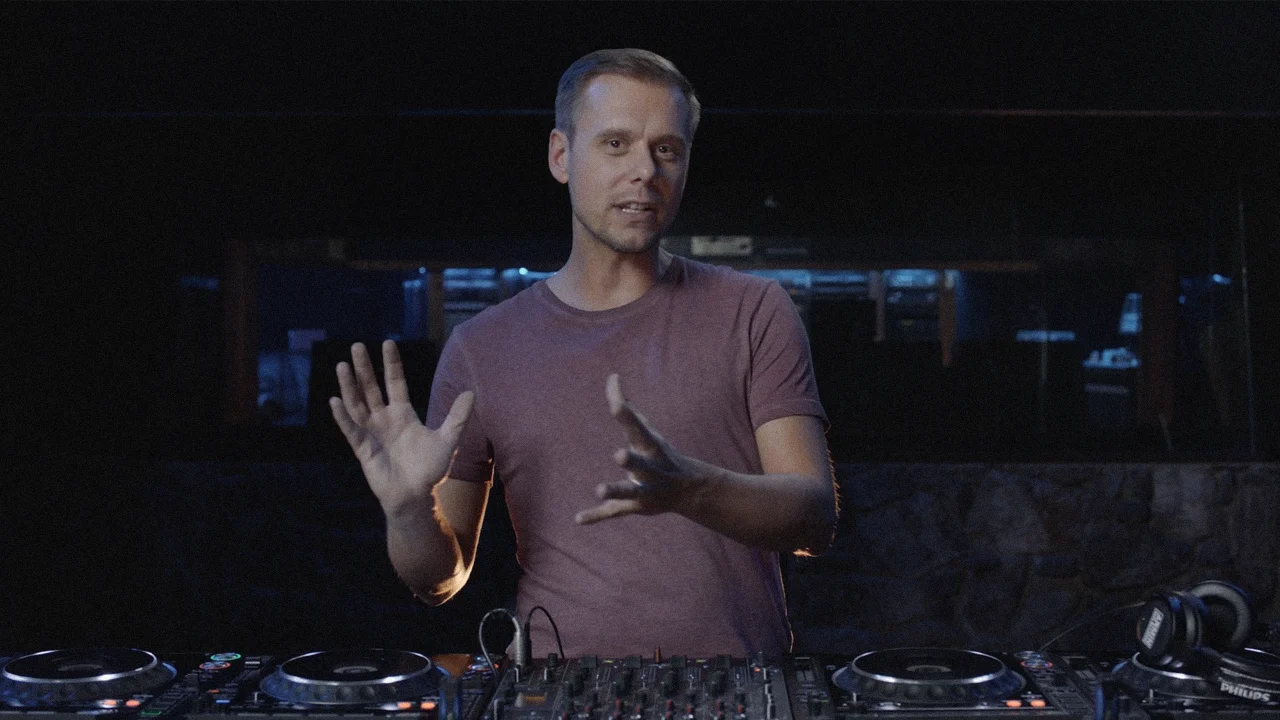

What Are the Top DJ Trends in 2026? AI and the Cloud-Based Booth
The biggest DJ trends in 2026 include the rise of the cloud-based DJ booth, AI-powered co-curation, and real-time stem separation. The vast majority of professional DJs now integrate major streaming services directly into their performance software and use artificial intelligence to instantly isolate vocals, drums, and basslines on the fly.
You can’t talk about the legacy of the DJ without talking about the gear, and in 2026, the technological landscape of DJ services has completely rewritten the rulebook. The days of lugging back-breaking crates of vinyl—or even scrolling through static USB drives—are increasingly viewed as nostalgic novelties.
We are officially in the era of the “Cloud-Based DJ Booth” and the AI Co-Curator. According to recent industry surveys, 41% of working DJs cite the direct integration of major streaming platforms like Apple Music and Spotify into their performance software as the most exciting tech advancement of the year.
But the real game-changer is real-time stem separation. The debate over pre-prepped stems is dead; in 2026, the industry has settled on relying on AI to isolate individual instrumental layers from fully mastered tracks during a live set. This allows for a level of live, improvisational remixing that used to require a multi-million dollar studio. The genre walls haven’t just collapsed; they’ve been vaporized.
At its core, whether we’re talking about the vinyl purists of 1970s New York, the charity-driven clubbers of 2002, or the AI-assisted digital artists of 2026, the mission remains the same. International DJ Day is a celebration of the human element in electronic music—the invisible thread of rhythm that binds us all together.
Sources & Further Reading
- Music Therapy: Nordoff-Robbins Clinical Method
- Industry Data: Digital DJ Tips: 2026 DJ Census
- DJ Trends 2026: Crate Hackers: Playlist Hacks & Future Tech
- Historical Media: MTV 120 Minutes Archive Physical Copy
* generate randomized username
- COMMENT_FIRST
- #1 Lord_Nikon [12]
- #2 Void_Reaper [10]
- #3 Cereal_Killer [10]
- #4 Dark_Pulse [9]
- #5 Void_Strike [8]
- #6 Phantom_Phreak [7]
- #7 Data_Drifter [7]
- #8 Zero_Cool [7]