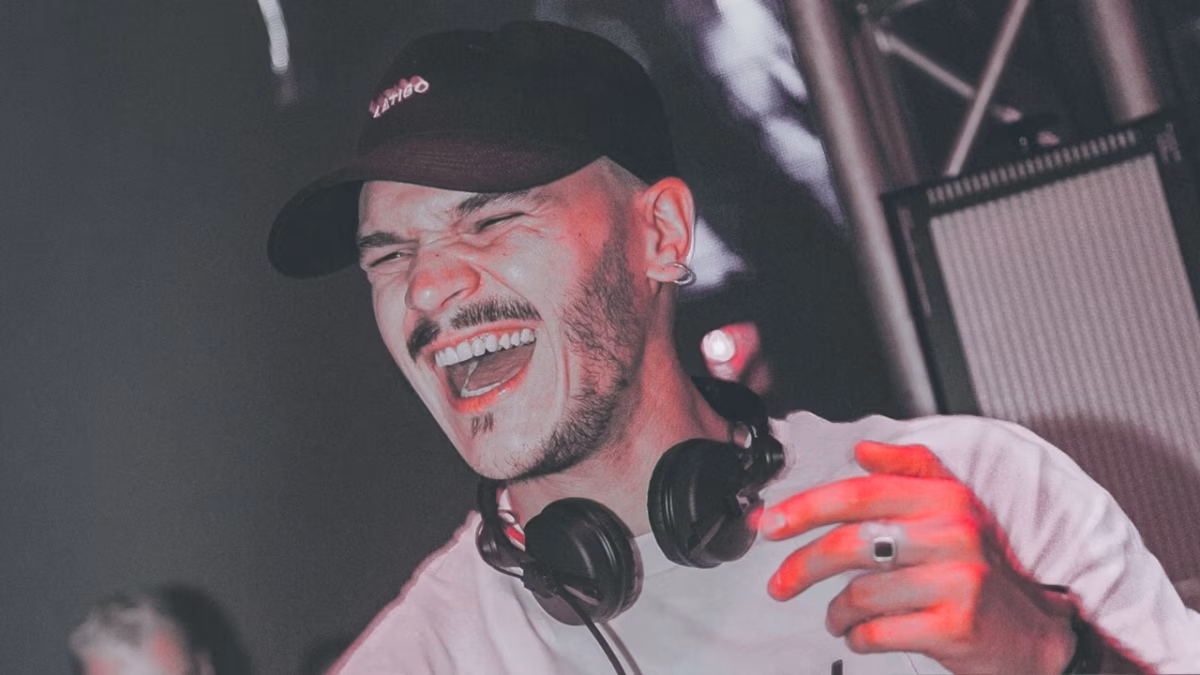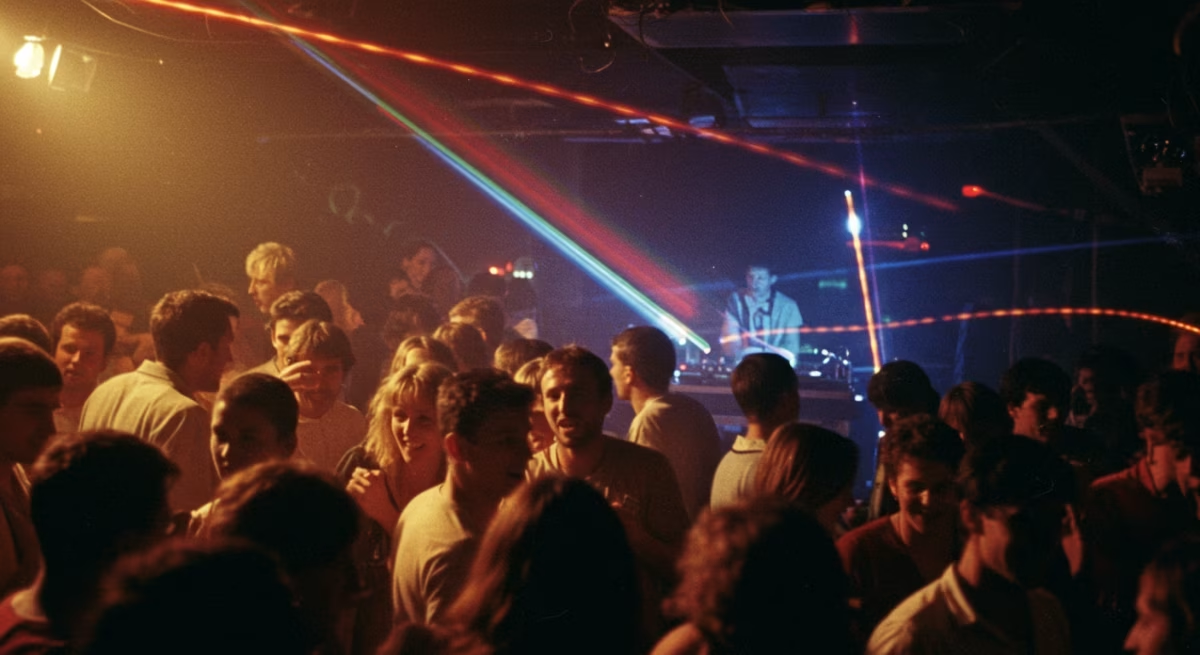

It’s 2 AM. The strobes are flashing, I can feel the bass in my chest, and my friends and I are lost in the moment. The DJ on stage is a silhouette against a large screen, hands on the mixer as a build-up reaches its peak. The drop hits, and the crowd cheers.
We’ve been in this situation before. And in that moment, a question comes to mind: Is this live? Is the DJ mixing tracks in real-time, or are we listening to a polished, pre-recorded mix?
Most of us probably can’t tell the difference. I write for a nightlife and EDM publication, so I see this debate constantly. DJs in the comments are always calling out pre-recorded sets, and the sentiment is overwhelmingly negative. I totally get their perspective on protecting the craft. But it always brings me back to the same question: what about the regular, normal people on the dance floor who just want to have fun? Do they really care? This is my perspective.
The “Who Cares? The Vibe is Everything” Camp
For most people in the crowd, the goal is the experience. We’re there to escape, to dance, to feel the energy of the crowd, and to hear music we enjoy, loud and without errors.
From this viewpoint, a pre-recorded set can have its advantages.
- A Smooth Journey: A pre-planned set provides a smooth, well-mixed musical experience with no rough transitions or technical problems. There are no awkward pauses or missed cues—just uninterrupted music.
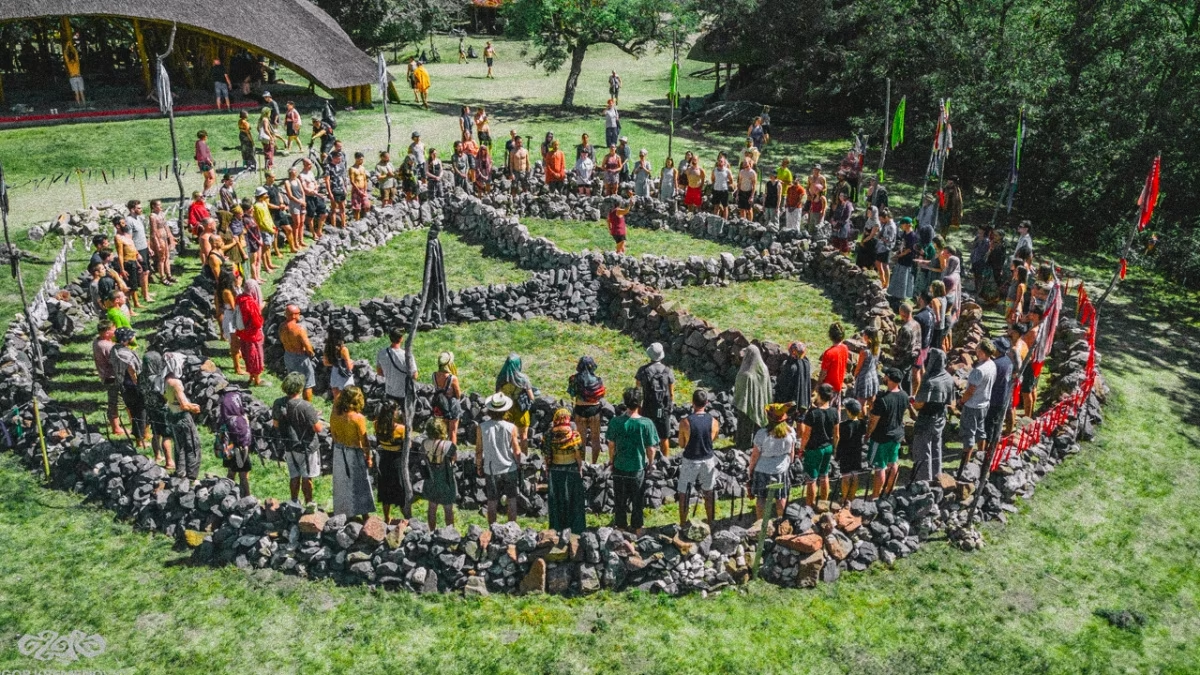
- The Spectacle: At large festivals like Ultra Miami, EDC Las Vegas, or Tomorrowland, the music is one component of the show. The audio is often synchronized with visuals, pyrotechnics, CO2 cannons, and fireworks. To achieve this level of coordination, parts of the set must be pre-planned, if not fully pre-recorded. The impressive spectacle is the result.
- It’s About the Song Selection: For many, the DJ acts as a curator. We trust them to play good tracks, new releases, and familiar anthems. As long as the track selection is solid and keeps the energy up, the method of delivery can feel secondary.
If a DJ delivers an hour of great tracks that gives me and my friends a good night, I’m not going to be concerned if they just pressed play. The outcome is the same: a positive memory.


The “It’s The Art Form” Camp: The Purist’s Perspective
On the other side are the purists—often DJs, producers, and dedicated fans who have an appreciation for the craft of DJing. For them, a pre-recorded set is a major issue.
Here’s why they care:
- Reading the Crowd: The art of a DJ can involve connecting with the audience in real-time. A DJ watches the crowd, gauges their energy, and can adjust the set list. If the energy dips, they might play a more energetic track. If the crowd responds well to a style, they might play more of it. A pre-recorded set removes this interaction.
- Risk and Skill: Live mixing involves risk and is an act of beat-matching, phrasing, and creative transitions. Seeing a DJ execute a complex mix live is impressive and shows their technical skill. Pressing play, in this view, does not require the same level of performance skill.
- Authenticity: This camp values the human element of a performance. They want to see an artist at work, creating something unique for that specific audience. As DJ A-Trak has argued, DJing is a skill that should be respected.
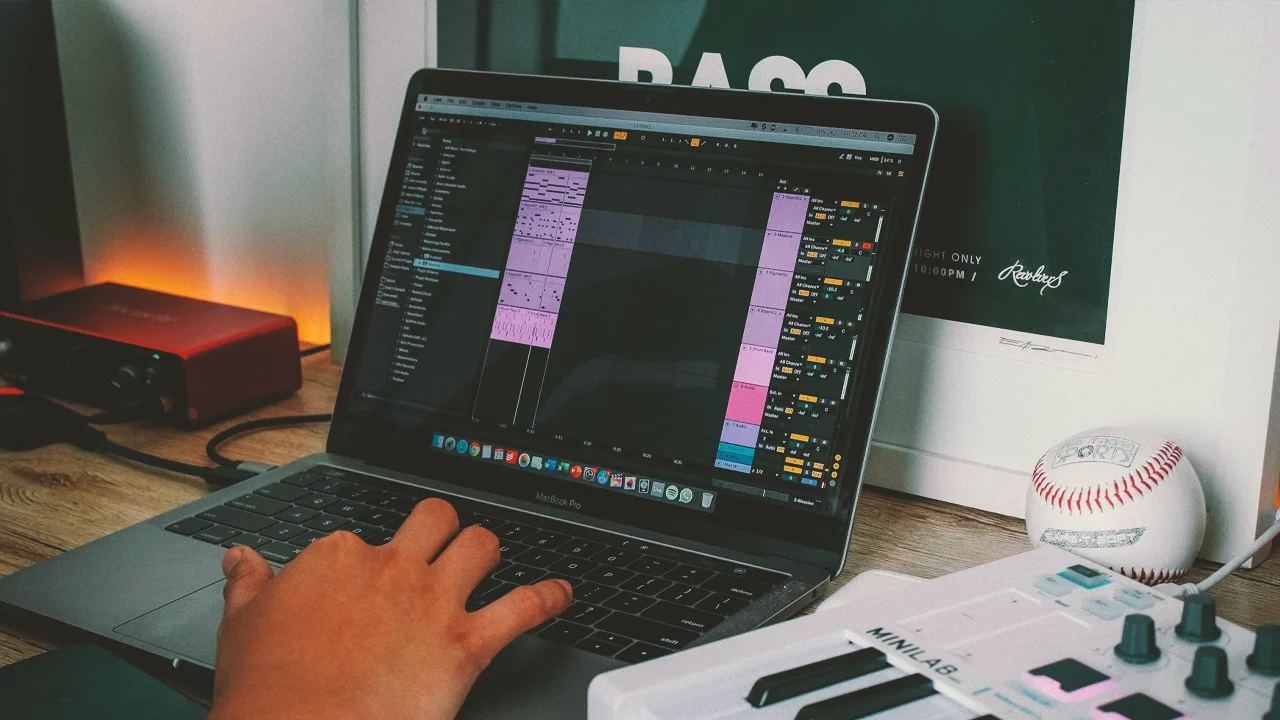
This viewpoint was highlighted in a blog post by Deadmau5, where he explained that for his complex shows, much of the set is pre-planned and automated. He wrote, “i fucking roll up with a laptop and a midi controller and ‘select’ my tracks.” His transparency fueled a debate about what it means to “perform” as an electronic artist.
The Verdict from the Dance Floor
So, where does that leave the audience? The answer is likely somewhere in the middle.
In a smaller club, we might care more. The setting is focused on the DJ’s connection with the crowd. We generally expect them to be actively mixing.
At a large festival, we might care less. We are there for the large-scale spectacle. We understand that for the effects to sync with the music, some pre-planning is required. We trade some improvisation for a multi-sensory show.
Ultimately, the main issue isn’t pre-recording versus live mixing. It’s about honesty and energy. The problem isn’t just pressing play; it’s standing behind the decks, faking the actions, and delivering a set with no energy that fails to connect with the audience.
Whether the mix was made an hour before in a hotel room or is being mixed on the fly, the goal is the same: to move the crowd. As long as the DJ is engaged, the energy is high, and the music is effective, most of us on the dance floor will be happy to get lost in the sound.
* generate randomized username
- COMMENT_FIRST
- #1 Lord_Nikon [12]
- #2 Void_Reaper [10]
- #3 Cereal_Killer [10]
- #4 Dark_Pulse [9]
- #5 Void_Strike [8]
- #6 Phantom_Phreak [7]
- #7 Data_Drifter [7]
- #8 Zero_Cool [7]