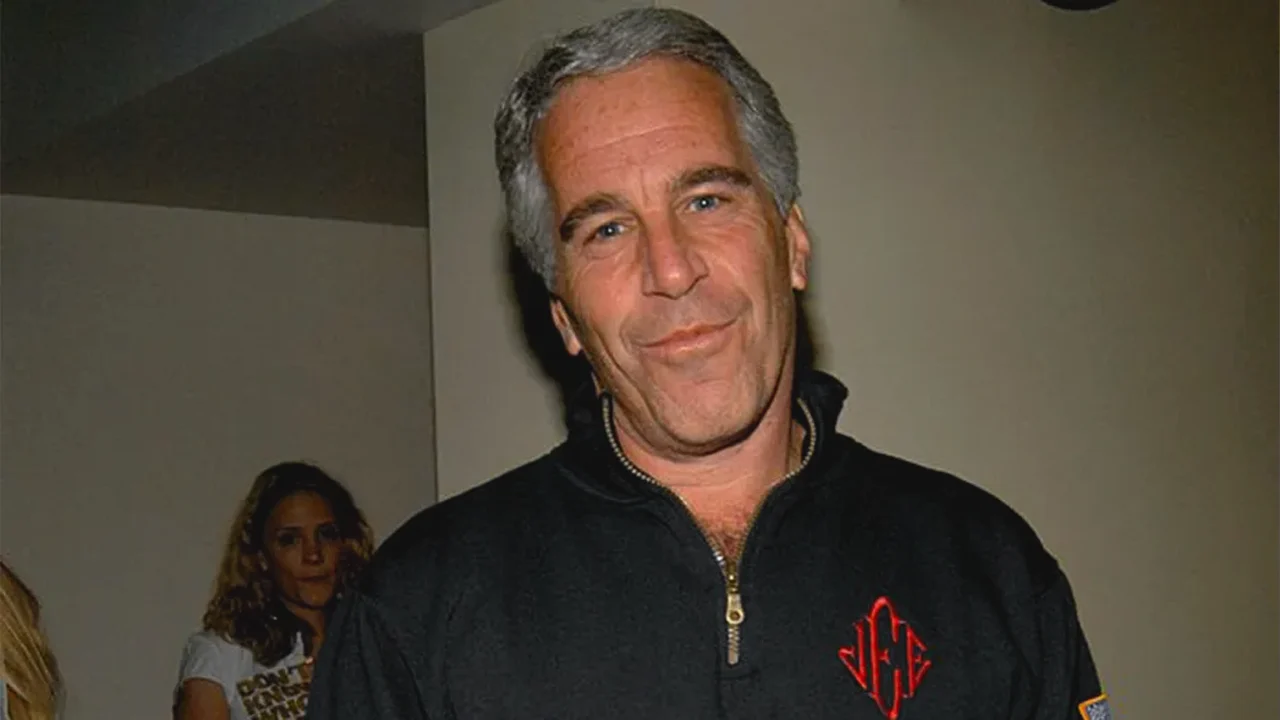

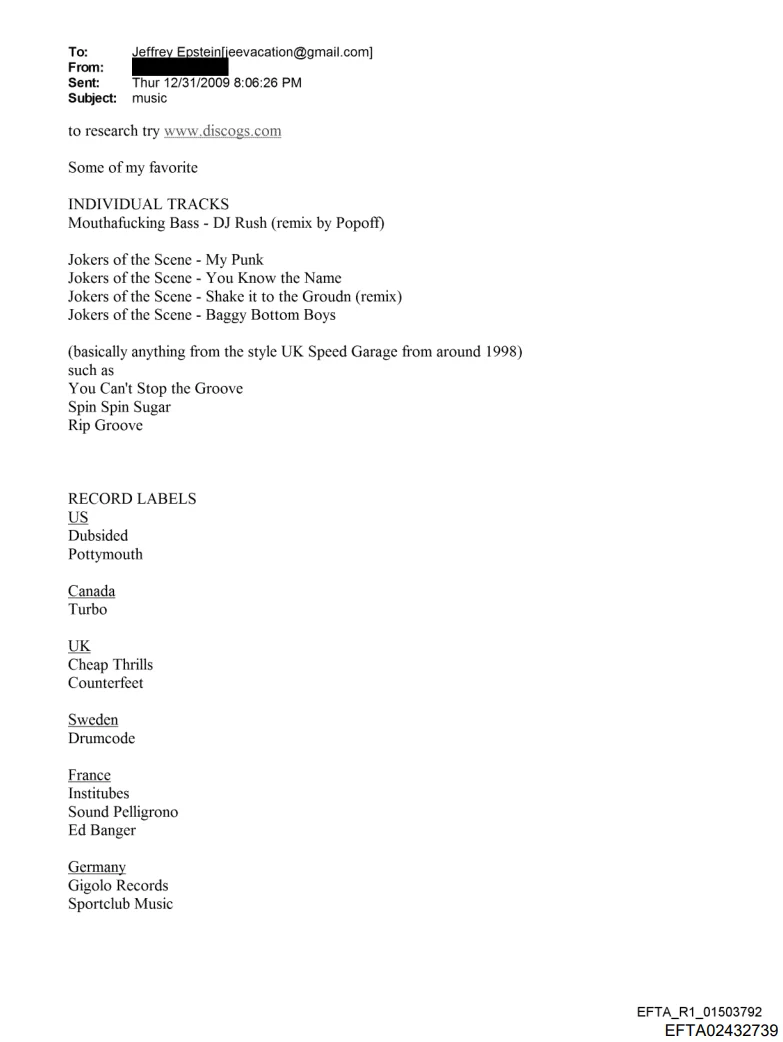
On January 30, 2026, the Department of Justice released over three million pages of documents regarding the Jeffrey Epstein investigation. Among the flight logs and legal depositions is a single email dated December 31, 2009. The subject line is “music.” Sent from a redacted associate, it directs the financier to “research” a specific list of electronic music using the database Discogs. 1
The document is an anomaly. It catalogs a list of UK Speed Garage, French electro, and Swedish techno recommendations that are technically accurate to the era but jarring in context. The list functions as a transfer of subcultural capital, stripping the music of its club context and presenting it as data to be acquired. 2
The Selections
The recommendations display a “cultural handler” logic, selecting tracks that signal insider knowledge rather than mainstream popularity.

Casey Wasserman and David Guetta Named in Unsealed Epstein Documents
Double 99 – “Ripgroove” (1997) The email directs Epstein to “UK Speed Garage from around 1998,” specifically citing Double 99’s “Ripgroove.” Produced by Tim Deluxe and Omar Adimora, the track is a genre standard, known for its tension and warped bassline. In this context, the recommendation serves as a shortcut to authenticity. The sender uses “Ripgroove” not as a piece of music, but as an aesthetic signifier for a wealthy recipient looking to understand a “grit” they will never experience.
R.S.K. – “You Can’t Stop The Groove” (1998) The list includes R.S.K.’s “You Can’t Stop The Groove,” a track associated with the white-label culture of the late 90s. Unlike the commercially successful “Ripgroove,” this is a deep cut. Its inclusion implies the sender was familiar with the mechanics of record collecting and scarcity. It validates the instruction to use Discogs, as this track would have been difficult to locate through standard retail channels in 2009.
DJ Rush – “Motherfucking Bass” (Popof Remix) The email recommends DJ Rush, specifically the “Popof Remix” of “Motherfucking Bass.” Released in March 2008 on T:Classixx, this remix bridged the gap between hard techno and the minimal sound popular in European clubs at the time. DJ Rush is a figure of the Chicago underground; placing his work in Epstein’s inbox represents a stark commodification of queer, black art for elite consumption.
Ed Banger & Sound Pellegrino The document points to Ed Banger Records and Sound Pellegrino. In 2009, Ed Banger was the dominant force in the “indie-dance” crossover, while Sound Pellegrino had just launched in March of that year. Recommending a label less than nine months old suggests the sender was monitoring music blogs closely. It positions the recipient not just as a consumer of luxury, but of currency knowing what is new before the general public does.


The Bottomline
The “Epstein Music Email” acts as a grim compilation. It demonstrates how “cool” is operationalized by the ultra-wealthy. The specific genres mentioned are Speed Garage, Techno, House were built on community and release. Here, they are reduced to line items in a federal evidence log. The tracklist remains a functional document of 2009 taste, but its context renders it unlistenable.
- https://www.theguardian.com/us-news/2026/jan/30/epstein-files-3-million-new-pages ↩︎
- https://ra.co/news/84487 ↩︎
* generate randomized username
- COMMENT_FIRST
- #1 Lord_Nikon [12]
- #2 Void_Reaper [10]
- #3 Cereal_Killer [10]
- #4 Dark_Pulse [9]
- #5 Void_Strike [8]
- #6 Phantom_Phreak [7]
- #7 Data_Drifter [7]
- #8 Zero_Cool [7]