
DJs Required to Bring Guests Before They Can Play
A recent message from an anonymous DJ highlighted a significant issue within the nightlife and music industry. This newcomer to the scene posed a question many other DJs, especially those early in their careers, face: Should DJs be required to bring guests to secure gigs?
- DJ gigs increasingly require bringing own crowd, shifting role from artist to marketer.
- This "bring guests" policy pressures DJs, undervalues skill, and limits opportunities, especially for new talent.
- Venues benefit from DJs drawing crowds (sales, atmosphere), but should invest in broader promotion/experience.
- Solutions: Collaborative promotion, lower expectations for new DJs, prioritize skill, explore alternative compensation models.

The DJ’s Role: Artist or Marketer?
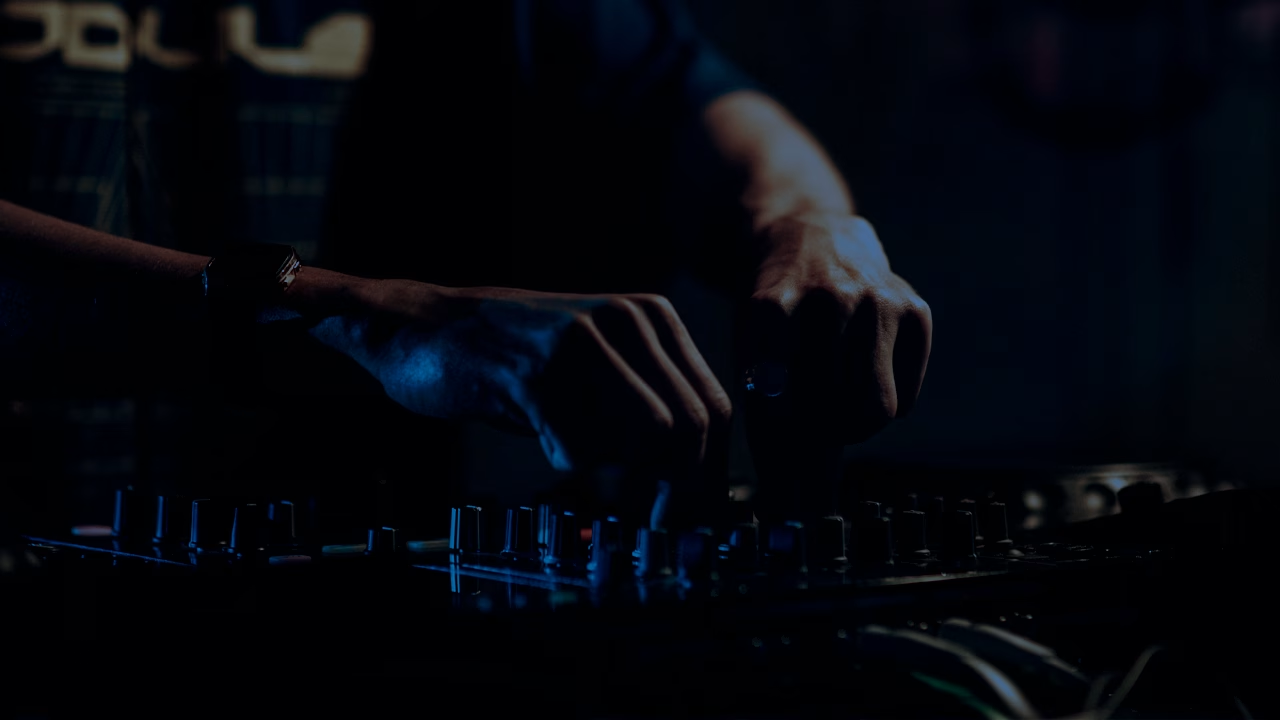
A DJ’s core role is to craft an experience, select the music, and ensure a memorable night for the audience. This involves countless hours spent sourcing music, refining sets, and honing their skills. However, venues increasingly expect DJs to function as marketers, bringing their own crowd to guarantee a successful event.
This practice is common in smaller or more intimate venues, where the establishment seeks to minimize risk by relying on the DJ’s network for customer attendance. While understandable from a business perspective, this added pressure can be particularly challenging for newer DJs who might lack an established following.
Our discussions with experienced DJs confirmed this as a widespread concern. Even seasoned professionals face this expectation, despite their primary focus being musical performance.

Should DJs Bear This Responsibility?
It’s crucial to distinguish between reasonable expectations and unfair burdens. DJs are hired for their musical expertise, ability to read the crowd, and maintain a positive atmosphere. Attracting a crowd should be a welcome bonus, not a mandatory obligation. The onus of event promotion primarily rests on the bar or promoter, given their resources and marketing reach.
The Financial Implications
Some venues view DJs who also promote as a cost-effective solution. A DJ bringing their own crowd minimizes the need for additional marketing or dedicated promoters. However, this approach risks undervaluing the DJ’s skill and artistic contribution, potentially leading venues to prioritize promotional ability over musical talent and creativity.
A DJ’s Worth Extends Beyond Numbers
Many talented DJs, particularly those beginning their careers, might not possess extensive networks. This doesn’t diminish their skills or potential. Prioritizing a DJ’s ability to draw a crowd over their musical aptitude is short-sighted and can negatively impact the broader music scene, potentially discouraging new talent from joining the industry and limiting diversity and innovation.
The Venue’s Perspective
From the venue’s perspective, profitability is paramount. A DJ who draws a crowd might seem ideal, especially for smaller clubs. However, relying solely on a DJ’s network for customer attendance can limit growth. Venues should build their reputation through consistent marketing, high-quality service, and a great overall experience, not solely on the crowds individual DJs attract.
For long-term success, venues should cultivate an environment that values both the DJ’s craft and the overall ambiance. This fosters customer loyalty and generates repeat business, regardless of who’s performing.
Finding a Balance
- Collaborative Promotion: Bars and promoters should collaborate with the artist to promote events. This allows the DJ to focus on their performance while leveraging their network for wider reach.
- Lower Expectations for New DJs: Provide opportunities for newer DJs to develop their following organically. Dedicated nights for up-and-coming talent can focus on discovery, not solely on crowd size.
- Prioritize Skill Over Popularity: While a DJ’s ability to draw a crowd is a plus, their musical skills should be the primary selection criterion.
- Promoters Should Promote: Promoters are hired to do just that – promote. They should assume responsibility for event attendance, freeing DJs to focus on their performance.
DJs Are Artists, Not Marketers
Ultimately, DJs should be booked for their ability to create a memorable experience through their musical skills, not their marketing capabilities. While a DJ who can draw their own crowd is advantageous, it shouldn’t be a prerequisite. Promoters and bars need to share responsibility for attracting customers and cultivating an inclusive environment for all DJs to thrive.
Frequently Asked Questions
Is it common for DJs to be required to bring guests to venues before playing?
While not a universal standard, some venues, particularly smaller clubs, may require DJs to bring a certain number of guests.
Why do some bars or clubs ask DJs to guarantee guest attendance?
Venues often use “bring guests” policies to mitigate financial risk, ensure a minimum crowd, and assess a DJ’s drawing power.
How does a “bring guests” policy impact a DJ’s career and opportunities?
These policies can limit opportunities, pressure DJs to prioritize promotion over performance, and create conflicts between artistic goals and revenue targets.
What are the benefits for a venue when DJs successfully bring in a crowd?
Successful DJ attendance leads to increased bar sales, lively atmosphere, reduced marketing costs, and potential discovery of popular resident DJs.
Are there alternative compensation models or agreements for DJs that don’t rely on guest lists?
Yes, alternatives include flat fees, tiered payments based on venue sales, door splits, or revenue sharing.
Read also: How to Build a Successful DJ Brand from Scratch?
* generate randomized username
- COMMENT_FIRST
- #1 Lord_Nikon [12]
- #2 Void_Reaper [10]
- #3 Cereal_Killer [10]
- #4 Dark_Pulse [9]
- #5 Void_Strike [8]
- #6 Phantom_Phreak [7]
- #7 Data_Drifter [7]
- #8 Cipher_Blade [6]